
Category: Cancer
-

15 Tips to Prevent Heart Disease Naturally
Heart disease is still a significant worldwide health issue, yet many of its risk factors are under our control. Here are 15 practical tips for preventing heart disease naturally: Maintain a Healthy Weight: Being overweight increases the risk of heart disease. Try to keep your body mass index (BMI) at a healthy level. Stay Active:…
-
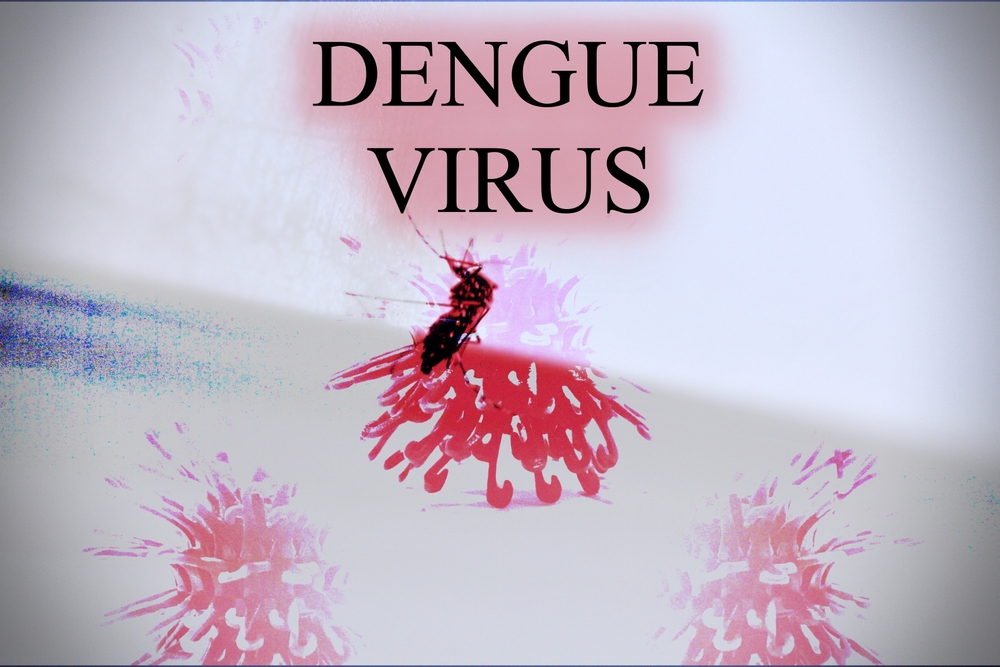
Understanding Dengue Fever: Symptoms, Prevention, and Treatment Options
Dengue fever is a significant public health concern in India, particularly during the monsoon season when mosquito breeding is at its peak. Here’s a detailed overview of dengue fever in the context of India: Overview: Causative Agent: The dengue virus is responsible for a viral disease called dengue fever, which has four different serotypes (DEN-1,…
-
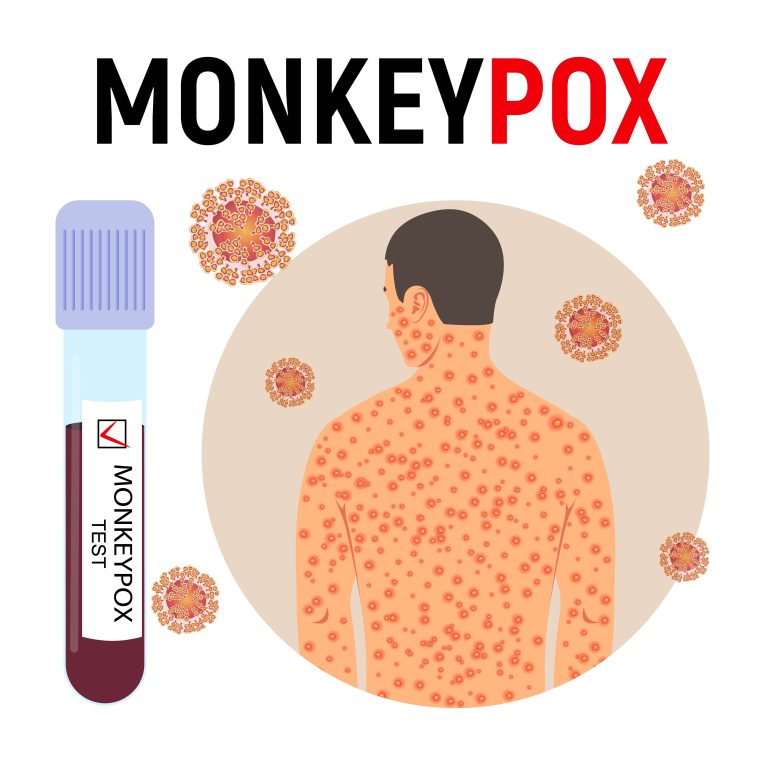
Monkeypox Outbreak: What You Need to Know to Stay Safe and Informed
Mpox, also known as monkeypox, is an infectious disease caused by the monkeypox virus, a species of the genus Orthopoxvirus. The virus and the virus that causes smallpox are part of the same family. Mpox disease spreads from animals to humans; it is zoonosis. The animals believed to spread this disease are rats, monkeys, squirrels,…
-
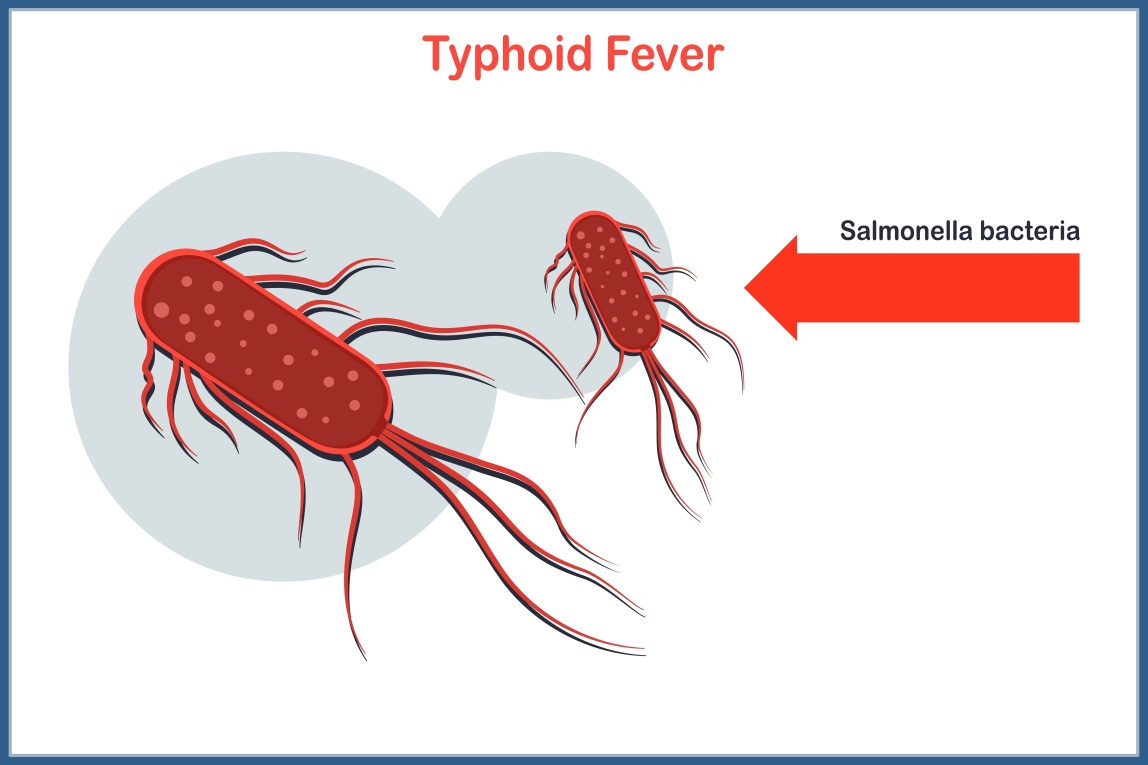
Understanding Typhoid: Causes, Symptoms, Prevention, and Treatment
Typhoid fever, or enteric fever, often referred to simply as typhoid, is a severe bacterial infection that can spread throughout the body, affecting many organs. Without prompt treatment, it can cause complications and can be fatal. What is Typhoid? Typhoid is a bacterial infection that can be spread by eating or drinking contaminated food or…
-

Viral Fever: Symptoms, Causes, Diagnosis, Treatments and Prevention
Viral fever, characterized by an elevated body temperature, is one of the most common clinical symptoms caused by a wide range of viral infections. It’s important to recognize the signs and understand the measures you can take to protect yourself and your family. What is Viral Fever? Viral fever is a generic term used for…
-
Chikungunya Explained: What You Need to Know About This Viral Disease
Overview: Chikungunya is a viral disease caused by the Chikungunya virus (CHIKV), which is transmitted to humans through the bites of infected mosquitoes, primarily the Aedes aegypti and Aedes albopictus species. These mosquitoes are also known for spreading other viral diseases, such as dengue and Zika. Chikungunya Transmission: Chikungunya is caused by a mosquito-borne virus…
-

How Does Alcohol Consumption Impact Cancer Development?
Alcohol consumption is a well-established risk factor for several types of cancer, and understanding the connection between alcohol and cancer development is crucial for public health awareness and personal risk management. Here’s a detailed breakdown of how alcohol affects cancer risk: 1. Types of Cancer Linked to Alcohol Consumption Head and neck cancers: Regular alcohol…
-

Surviving Liver Cancer: Why Early Treatment Matters
Liver Cancer, also known as Hepatic Cancer, is a cancer that occurs in the liver. Cancer in the liver destroys liver cells & interferes with its ability to function normally. Liver cancer may be primary or secondary. Primary cancer originates in the liver cells, while secondary cancer spreads to the liver from another organ. Over…
-

How to Keep Your Teeth Healthy: Expert Dental Tips
Healthy teeth and gums are crucial for general health. Good oral health can prevent tooth decay, toothaches, bad breath, gum diseases, and gingivitis. Research indicates that oral problems, including gum disease, can contribute to an increased risk of conditions like heart disease, e.g. endocarditis. Regardless of age, there are simple ways to ensure strong and…
-
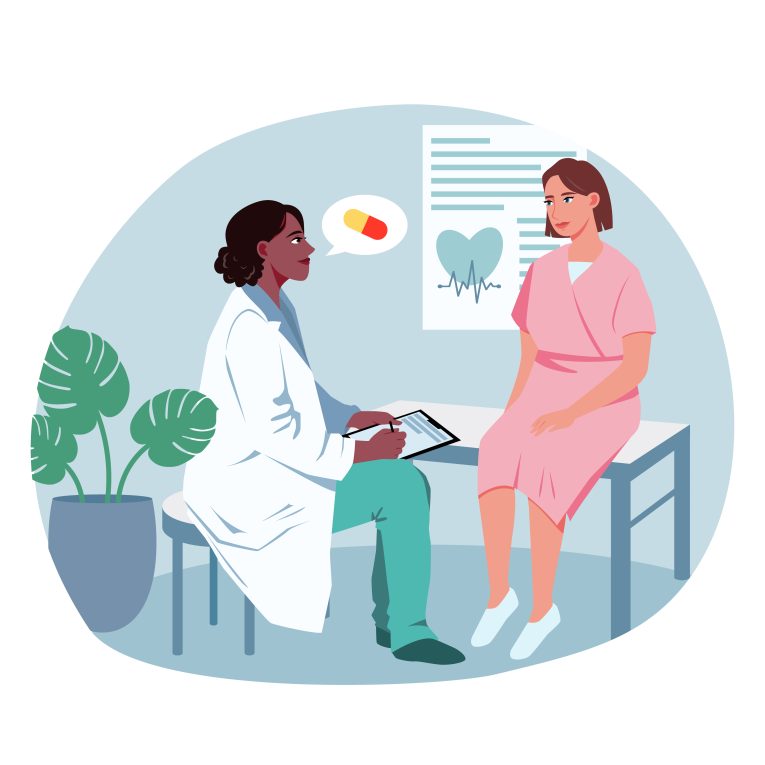
Learn More About Fertility Preservation in Cancer Patients
Fertility preservation is an important concern for many cancer patients, as cancer treatments such as chemotherapy, radiation, and surgery can have adverse effects on reproductive health. These treatments can damage reproductive organs, disrupt hormone levels, and impair fertility. Therefore, it’s crucial for cancer patients to discuss fertility preservation options with their healthcare providers before starting…