
Category: Cancer
-
What are the Risk Factors for Secondary Cancers?
Secondary cancers, also known as second primary cancers or metachronous cancers, are distinct malignancies that develop in individuals who have previously been diagnosed and treated for a primary cancer. These cancers can arise months or years after the initial diagnosis and treatment and are often unrelated to the primary cancer. Understanding the risk factors, mechanisms,…
-
Vaccination in Immunocompromised Patients: Know the Truth
Vaccination in immunocompromised patients presents unique challenges and considerations due to their weakened immune systems. These individuals, who may have conditions such as HIV/AIDS, cancer, or receiving immunosuppressive therapy, are at increased risk of severe illness from vaccine-preventable diseases. However, their compromised immune response can affect the efficacy and safety of vaccines, necessitating tailored approaches…
-

What is Meant by Retinoblastoma: Children’s Eye Cancer
Retinoblastoma is a very uncommon tumour of the retina (eye cancer) that develops in children (pediatric cancer). The retina, or back of the eye, is affected, and it may affect one or both eyes. The retina helps you see by sending messages to the brain. If detected early, there are treatments available that usually result…
-

Febrile Neutropenia: Causes, Symptoms, Causes, Risk Factors and Treatment
Febrile neutropenia is a medical condition characterized by fever and a low count of neutrophils, a type of white blood cell that has a significant role in the body’s immune response. This condition most commonly occurs as a side effect of chemotherapy treatment for cancer, where the chemotherapy drugs suppress the bone marrow’s ability to…
-
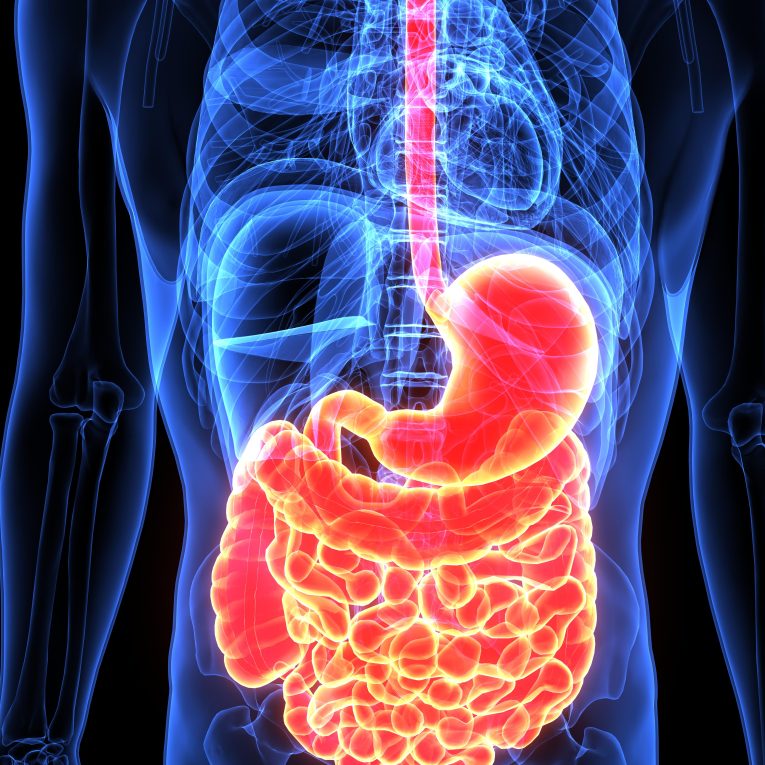
What is Rectal Cancer: Know its Symptoms and Treatment
Rectal cancer is a type of cancer that develops in the rectum, which is the final part of the large intestine that connects to the anus. It typically starts as small, benign growths called polyps, which can eventually become cancerous if not detected and treated early. Here’s an overview of signs, symptoms, and treatment options…
-

Bone Tumours in Adolescents: What You Need To Know
Bone tumours are a small fraction of childhood tumours/cancers. However, more than 1/3rd of all bone cancers are diagnosed below the age of 30 The incidence rate of bone cancer is much lower in older age groups. Due to rapid growth in bones during the adolescent age group, it is more common in this age…
-

Theragnostics: Revolutionizing Healthcare with a Guided Approach
The term “theragnostics” is derived from the combination of the words “therapeutic” and “diagnostic.” The fundamental premise of theragnostics is to integrate diagnostic and therapeutic approaches to personalize and optimize patient care. Theragnostics has a significant role in the field of oncology, as it can greatly improve the diagnosis, treatment, and monitoring of different cancer…
-
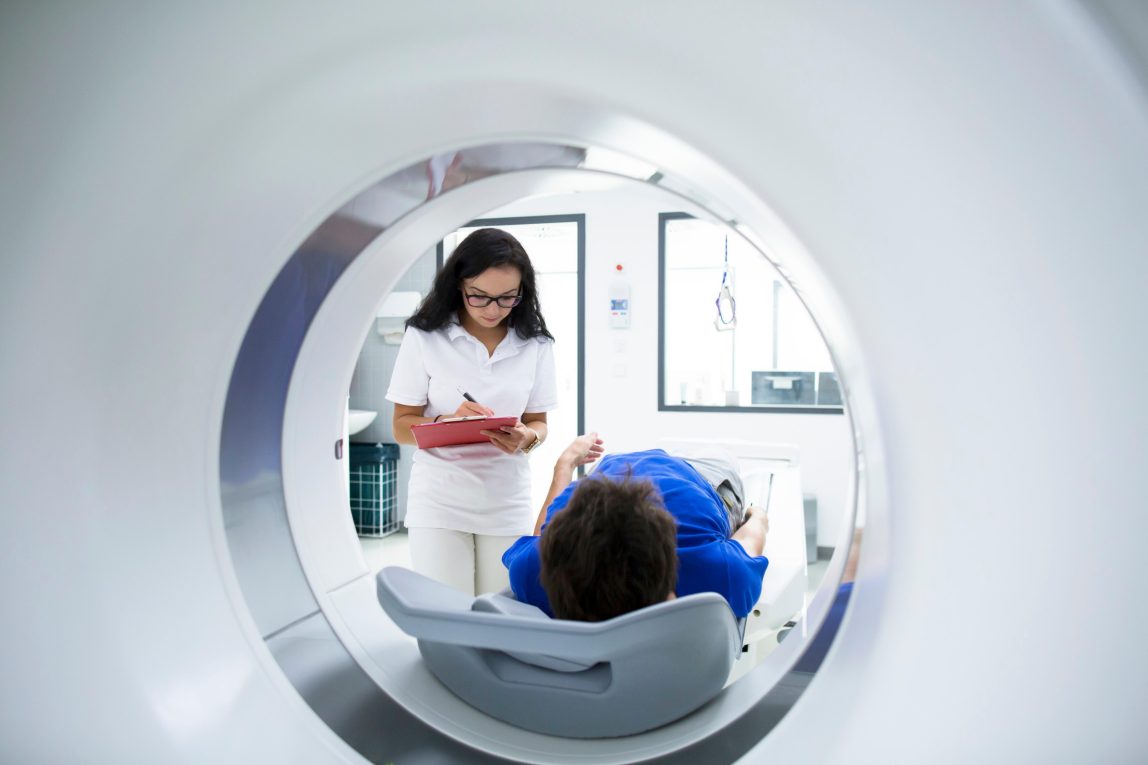
Is Proton Therapy an Effective Treatment for Cancer?
Proton therapy is a type of radiation therapy that has emerged as an important treatment option in the field of oncology. 1. Principles of proton therapy: Proton therapy utilizes protons, which are positively charged particles, to deliver radiation to the tumour site. Protons have a unique physical property called the Bragg peak, which allows for…
-

Exploring the Precision of Cyberknife Therapy in Cancer Treatment
Cyberknife therapy is a type of robotic radiosurgery system used to treat cancer. It is a non-invasive, robotic radiation therapy that targets high radiation doses directly to the tumour, while minimizing exposure to surrounding healthy tissue. The key features of Cyberknife therapy include: 1. Precision targeting: The Cyberknife system uses advanced imaging and tracking technology to…
-
Orphan Diseases in Oncology: A Hidden Healthcare Challenge
Definition: There’s no specific definition for rare cancers. 24% of all new cancer cases are rare. Their specificities are closer to not so rare cancers. European Union defines rare diseases as “diseases with a prevalence of fewer than 5 cases out of a population of 10,000.” Since the prevalence is affected by mortality, it has…