
Month: April 2024
-
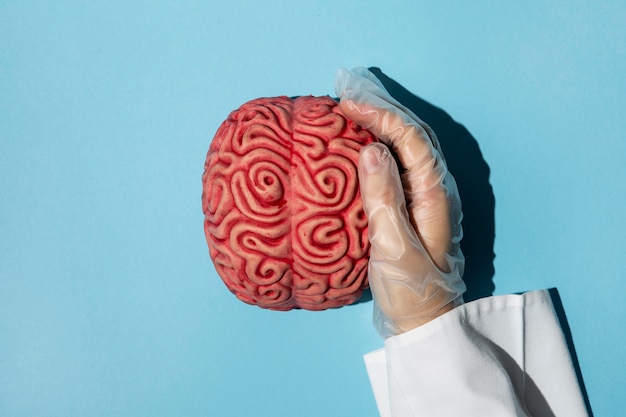
What are the Preventive Factors for Reducing Brain Tumour Risk?
One of the most effective ways to prevent brain tumours is to adopt strategies that minimise exposure to known risk factors. These can incorporate lifestyle modifications, such as a healthy diet, regular physical exercises, and avoiding harmful chemicals, environmental interventions and early detection strategies. Understanding Brain Tumour: Before delving into the strategies and methods to…
-
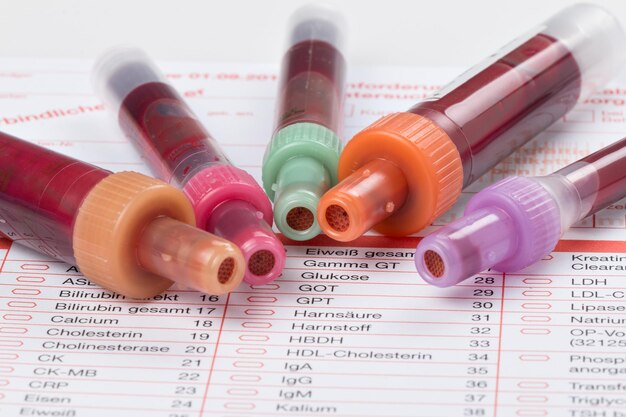
Tumour Markers Uncovered: Everything You Need to Know
Tumour markers play a vital role in the diagnosis, prognosis, and monitoring of cancer. These substances, often proteins, are produced by cancer cells or by the body in response to cancer. By detecting their presence or levels in blood, urine, or tissue samples, medical professionals gain valuable insights into various cancers’ presence, progression, and treatment…
-

What is the Connection Between Barbeque and Cancer?
Barbecue (BBQ) has been a topic of interest regarding its potential link to cancer risk. Here’s a brief overview of the role of barbecue in cancer: 1. Polycyclic Aromatic Hydrocarbons (PAHs): PAHs are formed when meat is cooked at high temperatures, such as during grilling or barbecuing. PAHs are known carcinogens, meaning they can potentially…
-

Immunotherapy: A Cancer Treatment To Boost Patient’s Immune System
Immunotherapy is a type of cancer treatment that boosts the patient’s immune system. Immunotherapy has the power to alter or strengthen the immune system’s ability to recognize and combat cancerous cells. If immunotherapy is part of your treatment plan, being aware of what to expect and how it operates can frequently help you get ready…
-
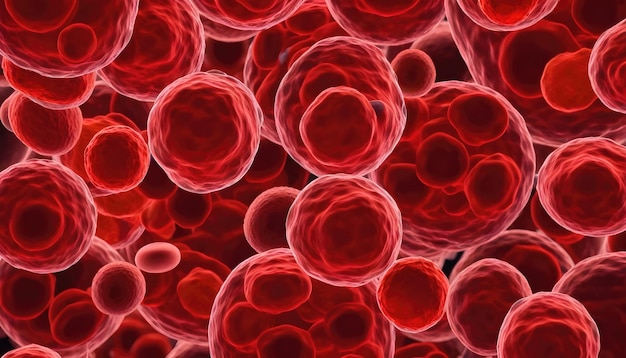
Leukaemia: An Overview, Diagnosis, and Management of Blood Cancers
Leukaemia is a group of blood cancers that affects the blood and bone marrow. It happens when a problem arises in white blood cells, which are important to fight infections. Essentially, leukaemia causes the body to make too many abnormal white blood cells, crowding out the healthy ones and making it harder for the body…
-
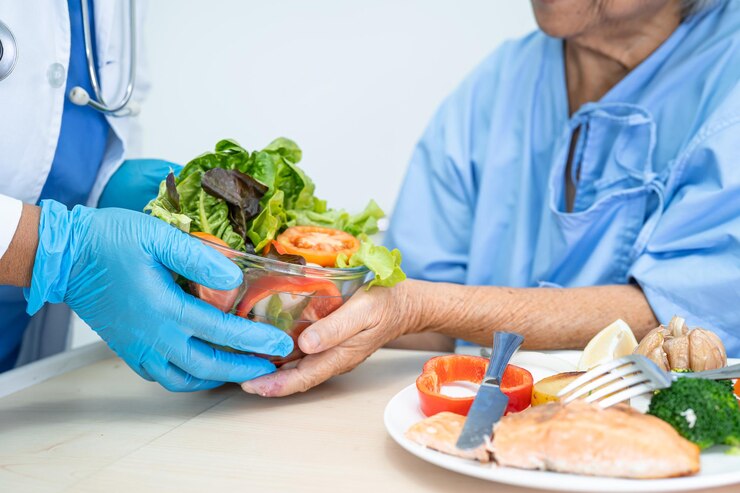
Eating Right: A Guide for Cancer Patients During Treatment
Eating well is important during cancer treatment because it improves general health and helps manage side effects and symptoms. The efficacy of your cancer treatment is directly related to your dietary preferences and appetite. It becomes important that you follow a definite eating pattern and avoid some food and beverages during the cancer treatment. In…
-

What is the Connection Between Mobile Phones and Cancer Disease?
The relationship between mobile phones and cancer has been a topic of study and debate for years. Mobile phones emit low levels of radiofrequency (RF) waves, which is a kind of non-ionizing electromagnetic radiation. There have been a few Concerns about whether long-term exposure to this radiation might increase the risk of certain types of…
-
The Ultimate Guide to Cancer Vaccines: What You Need to Know
Antibodies that boost the body’s inherent defences against cancer are a class of immunotherapy known as cancer treatment vaccines. When it comes to cancer treatment vaccines, which target cancer cells rather than the cancer-causing agent, they are meant to be administered to those who already have the disease, in contrast to cancer preventive vaccinations. Vaccines…
-
Identifying the Different Types of Lymphoma
Lymphomas are cancers that originate in the lymphatic system, which is part of the body’s immune system. This system includes lymph nodes, lymphatic vessels, the thymus gland, the spleen, and bone marrow. Lymphomas are of two types: Hodgkin lymphoma and non-Hodgkin lymphoma. Hodgkin Lymphoma (HL): Hodgkin lymphoma is indicated by the presence of Reed-Sternberg cells, which are…
-
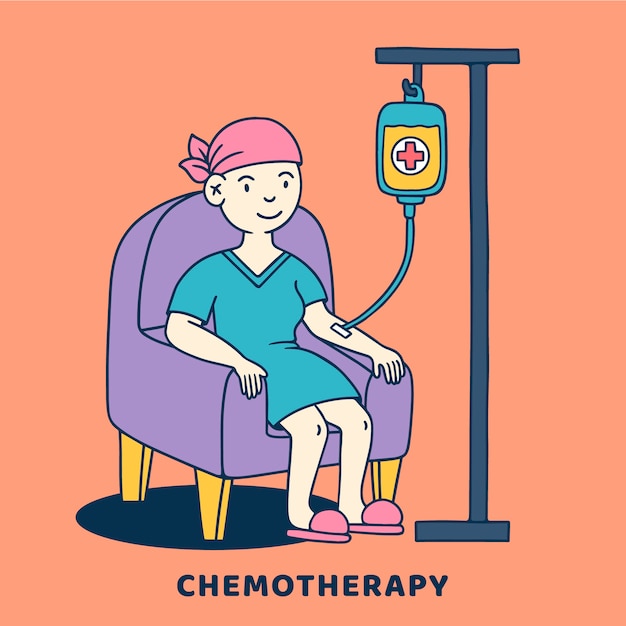
What are the Side-Effects of Chemotherapy?
The side effects of chemotherapy are as follows: Nausea and vomiting: Some chemotherapy drugs can trigger nausea and vomiting, although anti-nausea medications can help manage these symptoms. Hair loss: Chemotherapy often leads to temporary hair loss, including scalp, facial, and body hair. Fatigue: Many people experience fatigue during chemotherapy, which can affect daily activities and…