
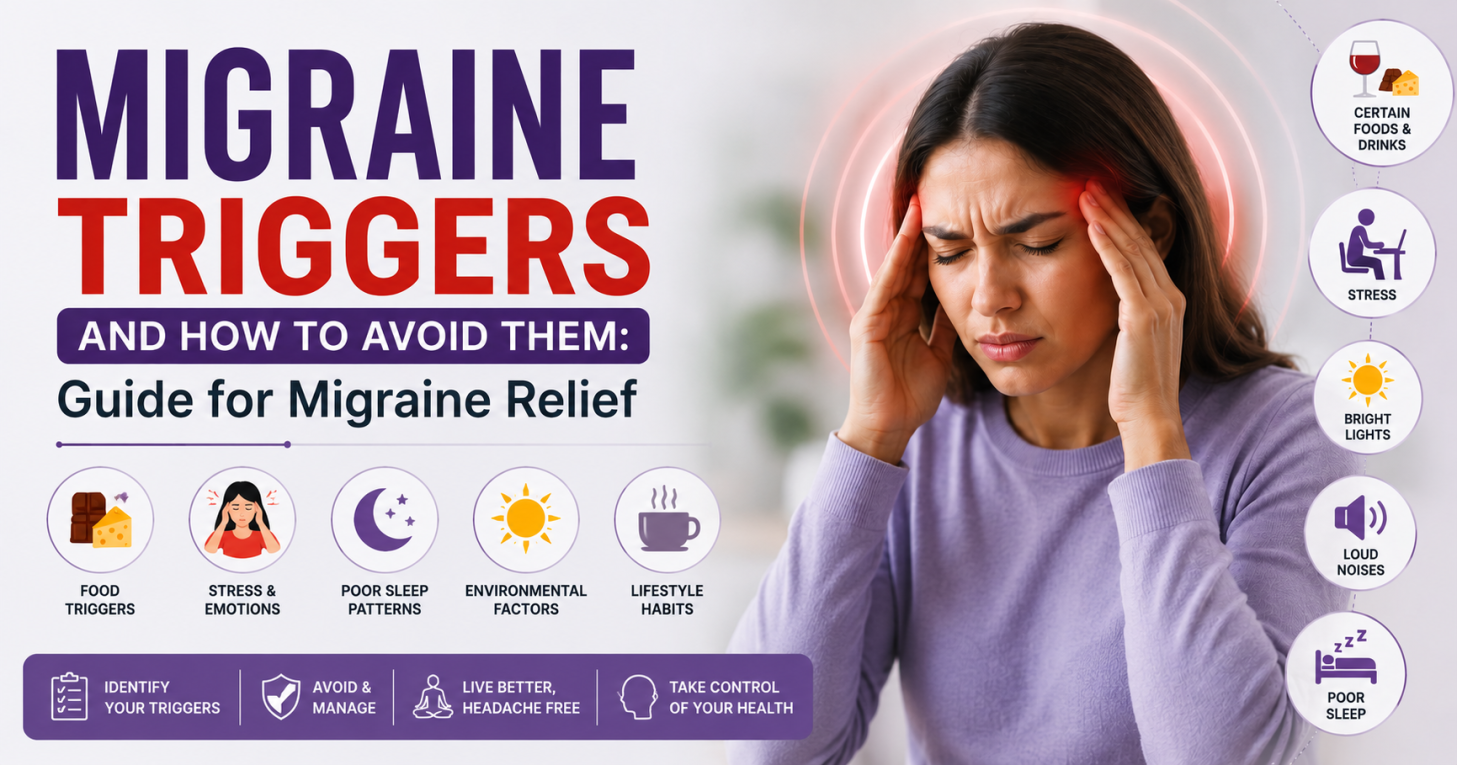
A migraine is not simply a bad headache. It is a neurological condition that can last anywhere from a few hours to several days, significantly affecting a person’s ability to work, sleep, and carry out daily activities. In India, migraine prevalence stands at 25%, which is higher than the global average of 14.7%, meaning approximately one in four adults lives with this condition. Yet fewer than one in four of those affected seek medical care.
Understanding what triggers a migraine attack is one of the most practical tools available for reducing both its frequency and severity. Identifying your personal migraine triggers — and learning how to avoid them — can dramatically reduce the number of migraine headache episodes you experience each month.
How Common Is Migraine in India?
Migraine in India is significantly more prevalent than global averages suggest, yet it remains one of the most underdiagnosed and under-treated neurological conditions in the country.
| Metric | Data | Source |
|---|---|---|
| Migraine prevalence in India | 25% of adults | PMC Scoping Review, 2024 |
| Global migraine prevalence | 14.7% | WHO / GBD 2021 |
| Women vs men affected | Women 31.6%, Men 18.5% | NIMHANS Karnataka Study |
| Peak age group affected | 35 to 45 years | NIMHANS Karnataka Study |
| Attacks rated severe in intensity | 40% of cases | NIMHANS Karnataka Study |
| Lost productive time (adults with migraine) | 5.8% of working time | Karnataka Burden Study, PMC |
| Adults who could benefit from preventive treatment | 40% globally | American Headache Society, 2024 |
Women are significantly more affected than men, and the condition peaks between the ages of 35 and 45 in both genders. Despite its impact on daily life and productivity, migraine remains one of the most underdiagnosed and under-treated conditions in India.
What Happens During a Migraine Attack?
A migraine attack typically moves through four stages. Understanding these stages helps distinguish a migraine headache from a regular headache and supports timely treatment.
| Stage | Timing | What Happens |
|---|---|---|
| Prodrome | Hours to a day before | Mood changes, food cravings, neck stiffness, frequent yawning |
| Aura | 20 to 60 minutes before (in some people) | Visual disturbances, tingling in the face or hands, brief difficulty speaking |
| Headache Phase | 4 to 72 hours | Throbbing headache usually on one side, nausea, sensitivity to light and sound |
| Postdrome | Up to 24 hours after | Fatigue, difficulty concentrating, feeling of exhaustion |
Not everyone experiences all four stages. Migraine aura affects approximately one in three people with migraines. When aura is present, it typically involves visual disturbances such as zigzag lines, blind spots, or flashes of light.
Common Migraine Triggers: What Sets Off an Attack
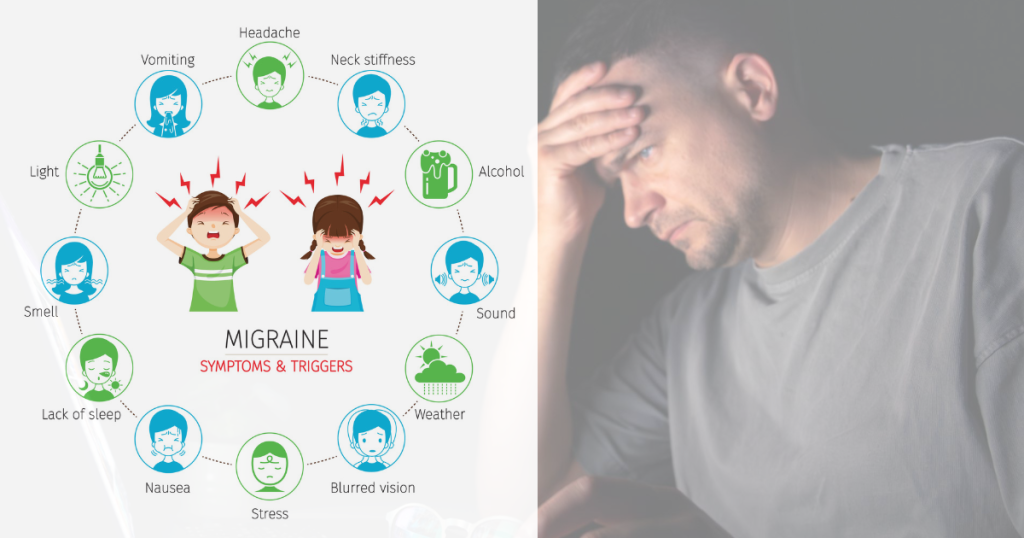
Identifying common migraine triggers is the first step toward effective migraine relief. Triggers vary from person to person, and many people have multiple triggers that interact. Below are the most well-documented migraine triggers.
Stress and Migraine
Migraine and stress are closely linked. Stress is consistently reported as the most common migraine trigger, affecting up to 70% of people with the condition. Both acute stress and the let-down period following sustained stress — known as the weekend migraine phenomenon — can trigger attacks.
- Work pressure, deadlines, and conflict are frequent stress-related migraine triggers
- Emotional stress, anxiety, and depression all elevate migraine frequency
- Relaxation after intense stress can paradoxically trigger an attack
- Regular stress management through yoga, breathing exercises, or mindfulness can reduce migraine frequency
Sleep Changes and Disruption
Sleep changes are a well-established migraine trigger in both directions — too little and too much sleep can both precipitate an attack. The brain is particularly sensitive to disruptions in sleep-wake cycles.
- Insufficient sleep reduces the threshold for migraine attacks
- Oversleeping, particularly on weekends, is a common trigger for Saturday or Sunday morning migraines
- Shift work and irregular sleeping patterns significantly increase migraine frequency
- Maintaining a consistent sleep and wake time — including on weekends — is one of the most effective migraine prevention tips
Hormonal Changes and Hormonal Migraine
Hormonal migraine is particularly common in women, which explains the significantly higher prevalence among women (31.6%) compared to men (18.5%). Fluctuations in oestrogen are a primary driver of migraine attacks in women.
- Menstrual migraine occurs in the days before or during the menstrual period due to oestrogen drops
- Pregnancy and the postpartum period can significantly alter migraine patterns
- Perimenopause and menopause often bring worsening of migraine frequency
- Hormonal contraceptives can either improve or worsen migraine, depending on the individual
- Women experiencing consistent hormonal migraine should discuss targeted preventive options with a neurologist
Sensory Stimuli
Sensory stimuli are a highly underappreciated category of migraine triggers. The migraine brain is hypersensitive to external stimulation, and certain inputs can initiate an attack even in people with otherwise well-controlled migraines.
- Bright or flickering lights, including sunlight, fluorescent lighting, and screens
- Loud or persistent noise in busy environments
- Strong smells such as perfume, paint, petrol fumes, or cigarette smoke
- Reducing screen brightness, using blue light filters, and limiting exposure to strong smells can lower sensory migraine risk
Weather and Environment
Weather changes are a recognised migraine trigger that people often overlook because they cannot be controlled directly. However, awareness allows for proactive management on days when weather changes are expected.
- Barometric pressure drops, particularly before rain or storms, are a common trigger
- Extreme heat and high humidity — particularly relevant in Hyderabad’s climate — can precipitate attacks
- Sudden temperature changes between air-conditioned environments and outdoor heat
- High altitude and air travel can also act as environmental triggers
Foods that Cause Migraines
Dietary migraine triggers are among the most studied and best documented. Knowing which foods that cause migraines are relevant to you — and tracking them in a migraine diary — allows for targeted dietary adjustments.
| Food or Drink | Why It May Trigger Migraines |
|---|---|
| Aged Cheeses (Cheddar, Parmesan) | Contain tyramine, a compound that affects blood vessel activity |
| Red Wine and Alcohol | Contain histamine and sulphites, and can cause dehydration |
| Processed and Cured Meats | Contain nitrates, which can widen blood vessels |
| Excess Caffeine or Sudden Caffeine Withdrawal | Both overconsumption and abrupt stopping can trigger attacks; caffeine and migraine have a complex relationship |
| MSG (Found in Packaged Snacks and Some Restaurant Meals) | A well-documented trigger in sensitive individuals |
| Artificial Sweeteners (Particularly Aspartame) | Commonly found in diet drinks and sugar-free products |
| Skipping Meals or Long Gaps Between Meals | Drops in blood sugar are a recognised migraine trigger |
| Dehydration | Even mild dehydration can significantly increase migraine risk |
Caffeine and migraine have a particularly complex relationship. Moderate caffeine can help abort a migraine in its early stages, which is why it is included in some migraine medications. However, regular high caffeine intake and sudden caffeine withdrawal are both recognized migraine triggers.
Migraine Symptoms: When to See a Doctor
Recognising migraine symptoms accurately helps distinguish a migraine headache from a tension headache or a more serious condition. The symptom profile of migraine is distinct and consistent.
Symptoms during an attack:
- Moderate to severe throbbing headache, often on one side of the head
- Nausea, with or without vomiting
- Heightened sensitivity to light and sound
- Dizziness or difficulty with balance
- Pain that worsens with routine movement or activity
Seek urgent medical care if you experience:
- A sudden, extremely severe headache with no prior history of similar pain
- Headache accompanied by fever, neck stiffness, confusion, or vision changes
These symptoms require immediate evaluation to rule out other serious conditions. Chronic migraine — defined as migraine occurring on 15 or more days per month — also warrants prompt medical assessment and preventive migraine treatment.
Migraine Prevention and Treatment: What Is Available
Effective migraine treatment combines lifestyle management, trigger avoidance, and where necessary, medication. The approach is divided into two strategies: acute treatment (stopping an attack once it starts) and preventive treatment (reducing how often attacks occur).
Start with a migraine diary
A migraine diary is the single most useful tool for identifying personal triggers and guiding treatment decisions. Track the date, duration, intensity, and likely triggers of each migraine attack for four to six weeks. Patterns become clear quickly and give a neurologist the information needed to guide both acute and preventive migraine treatment.
Migraine Prevention Tips: Lifestyle Adjustments
- Keep a consistent sleep and wake time, including on weekends
- Eat regular meals and stay well hydrated throughout the day
- Reduce caffeine gradually rather than stopping abruptly — abrupt withdrawal is a known migraine trigger
- Minimize exposure to known sensory triggers such as bright lights and strong smells
- Identify and avoid your personal foods that cause migraines using your migraine diary
Preventive Migraine Treatment:
According to the American Headache Society, 40% of people with migraines could benefit from preventive treatment, yet most are not receiving it.
- Migraines occur more than four days per month
- Attacks significantly disrupt daily life or work
- Migraines do not respond adequately to acute medication
- Chronic migraine is present (15 or more migraine days per month)
Preventive options range from daily oral medications to newer injectable treatments targeting the CGRP pathway, which plays a central role in migraine biology. A neurologist in Hyderabad can assess which preventive approach is appropriate based on your migraine pattern, frequency, and overall health.
When to See a Neurologist in Hyderabad
Migraine is a diagnosable and treatable condition. The most significant barrier to better outcomes in India is delayed diagnosis and over-reliance on self-treatment, which often makes the condition worse over time.
Speak with a neurologist at Omega Hospitals, Hyderabad if you experience recurring headaches that affect your daily life, cause nausea or sensitivity to light, or last more than a few hours. The headache specialist at Omega Center for Neuro-Sciences department offers:
- Comprehensive migraine evaluation and diagnosis
- Personalised trigger assessment using your migraine diary
- Access to the latest preventive and acute migraine treatment options
- Guidance on managing hormonal migraine, chronic migraine, and treatment-resistant cases
Effective migraine relief begins with an accurate diagnosis and a treatment plan built around your specific pattern of attacks. Do not let recurring migraine headaches go unmanaged — early intervention leads to significantly better long-term outcomes.