
Sometimes the most dangerous symptoms are the ones that slowly become part of your routine.
- You stop questioning the fatigue because life has been “busy” for months.
- You get used to the discomfort because it feels manageable.
- You adapt to the pain because it comes and goes.
- A cough becomes “normal.”
- Weight loss starts feeling like a positive change.
- Bleeding gets blamed on minor issues.
And slowly, the body’s warning signs stop feeling like warnings.
This is one of the biggest challenges with cancer. Many early stage cancer symptoms do not appear dramatic or alarming in the beginning. They often look like common everyday health problems that people believe will disappear on their own. Instead of seeking medical advice, many individuals learn to live around the symptoms, adjusting their routines, ignoring discomfort, or postponing health check-ups.
Why Early Detection Matters
Cancer can affect almost any part of the body. In many cases, symptoms appear only after the disease has progressed. However, certain warning signs may indicate the presence of cancer at an early stage. Paying attention to these symptoms and undergoing early cancer screening in Hyderabad can help identify abnormalities before they become serious.
The earlier cancer is detected, the more treatment options may be available. Early-stage cancers are often easier to manage and may require less aggressive treatment compared to advanced-stage disease.
Warning Signs of Cancer
While symptoms can vary depending on the type of cancer, some signs are considered common across different cancers. The following common signs of cancer should not be ignored:
Unexplained Weight Loss
Sudden or unexplained weight loss without changes in diet or exercise may be an important warning sign. Losing a significant amount of weight unintentionally could be associated with cancers of the stomach, pancreas, lung, or other organs.
Persistent Fatigue
Feeling constantly tired despite adequate rest can sometimes indicate underlying cancer. Cancer-related fatigue is often more severe and persistent than normal tiredness and may interfere with daily activities.
Unusual Lumps or Swelling
A new lump, thickening, or swelling anywhere in the body should always be evaluated by a healthcare professional. While not all lumps are cancerous, they can be among the earliest early stage cancer symptoms, especially in breast, lymphatic, or soft tissue cancers.
Changes in Skin
Changes such as darkening, yellowing, sores that do not heal, unusual moles, or changes in the size and appearance of existing moles can be warning signs of skin cancer or other underlying conditions.
Persistent Cough or Hoarseness
A cough lasting several weeks, coughing up blood, or persistent hoarseness should not be ignored, especially in smokers or individuals exposed to environmental pollutants.
Changes in Bowel or Bladder Habits
Long-term constipation, diarrhea, blood in stool, difficulty urinating, or blood in urine may indicate cancers affecting the digestive or urinary system.
Difficulty Swallowing
Persistent trouble swallowing or ongoing indigestion may be linked to cancers involving the throat, esophagus, or stomach.
Unusual Bleeding
Bleeding that occurs without a clear reason, such as abnormal vaginal bleeding, blood in urine, rectal bleeding, or coughing up blood, requires immediate medical evaluation.
Persistent Pain
Chronic pain that does not improve over time can sometimes signal cancer affecting bones, organs, or nerves. Persistent headaches, abdominal pain, or bone pain should be assessed by a doctor.
Risk Factors Associated with Cancer
Cancer can develop due to a combination of genetic, environmental, and lifestyle factors. Understanding risk factors can help individuals make informed health decisions.
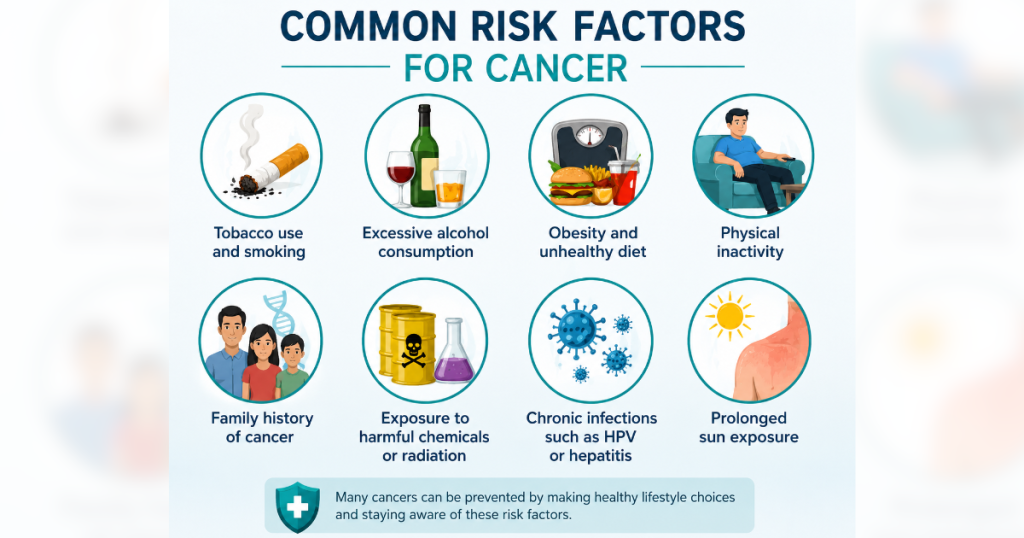
People with higher risk factors should consider regular health checkups and early cancer screening in Hyderabad for timely detection.
When Should You See a Doctor?
Many cancer symptoms may resemble less serious conditions, but persistent or unexplained changes in the body should never be ignored. Individuals should consult a doctor if symptoms last for more than a few weeks, worsen over time, or interfere with normal daily activities.
Seeking evaluation from experienced oncology specialists in Gachibowli can help determine the cause of symptoms and guide appropriate testing or treatment. Timely consultation is especially important for individuals with a family history of cancer or known risk factors.
Diagnosis and Cancer Screening
Modern cancer diagnosis involves a combination of clinical evaluation, imaging studies, laboratory tests, and biopsies. Early screening plays a crucial role in identifying cancers before symptoms become severe.
Common screening methods include:
- Mammograms for breast cancer
- Pap smears for cervical cancer
- Colonoscopy for colorectal cancer
- Low-dose CT scans for lung cancer in high-risk individuals
- Blood tests and tumor markers
- Ultrasound, MRI, PET-CT, and CT imaging
A comprehensive cancer care center in Gachibowli may offer advanced diagnostic facilities and coordinated care to ensure accurate diagnosis and timely treatment planning.
Treatment Options for Cancer
Cancer treatment depends on the type, stage, and location of the disease, along with the patient’s overall health. Advances in oncology have improved both survival rates and quality of life for many patients.
Common treatment approaches include:
| Surgery | Surgical removal of tumors is often recommended for localized cancers. |
| Chemotherapy | Chemotherapy uses medicines to destroy cancer cells or slow their growth. |
| Radiation Therapy | High-energy radiation targets and destroys cancer cells while minimizing damage to surrounding tissues. |
| Targeted Therapy and Immunotherapy | These advanced treatments specifically target cancer cells or strengthen the immune system to fight cancer more effectively. |
Multidisciplinary Cancer Care
Comprehensive treatment often involves collaboration among surgeons, medical oncologists, radiation oncologists, pathologists, nutritionists, and rehabilitation specialists. Consulting the best oncologist in Hyderabad can help patients receive individualized treatment plans based on their condition.
Many patients today benefit from advanced technology and evidence-based care available at a best cancer treatment hospital in Hyderabad, where multiple specialties work together to improve patient outcomes.
Lifestyle Measures to Reduce Cancer Risk
Although not all cancers can be prevented, adopting healthy lifestyle habits may lower the risk of developing several types of cancer.
Important preventive measures include:
- Avoid tobacco products and smoking
- Maintain a healthy body weight
- Eat a balanced diet rich in fruits and vegetables
- Exercise regularly
- Limit alcohol intake
- Protect skin from excessive sun exposure
- Get recommended vaccinations such as HPV and hepatitis B
- Undergo regular medical checkups and cancer screenings
Awareness and prevention remain essential components of long-term health.
Why Early Medical Attention Matters
Recognizing the early warning signs of cancer and seeking timely medical attention can improve treatment outcomes, reduce complications, and support better recovery. Understanding common signs of cancer, identifying personal risk factors, and undergoing timely screening can help detect cancer at an earlier and more manageable stage.
At Omega Hospitals, patients have access to advanced diagnostics, multidisciplinary oncology expertise, and personalized treatment approaches for comprehensive cancer care. As a leading cancer hospital in Hyderabad and trusted cancer care center in Gachibowli, Omega Hospitals focuses on early detection, evidence-based treatment, and compassionate patient-centered care to support patients at every stage of their cancer journey.