
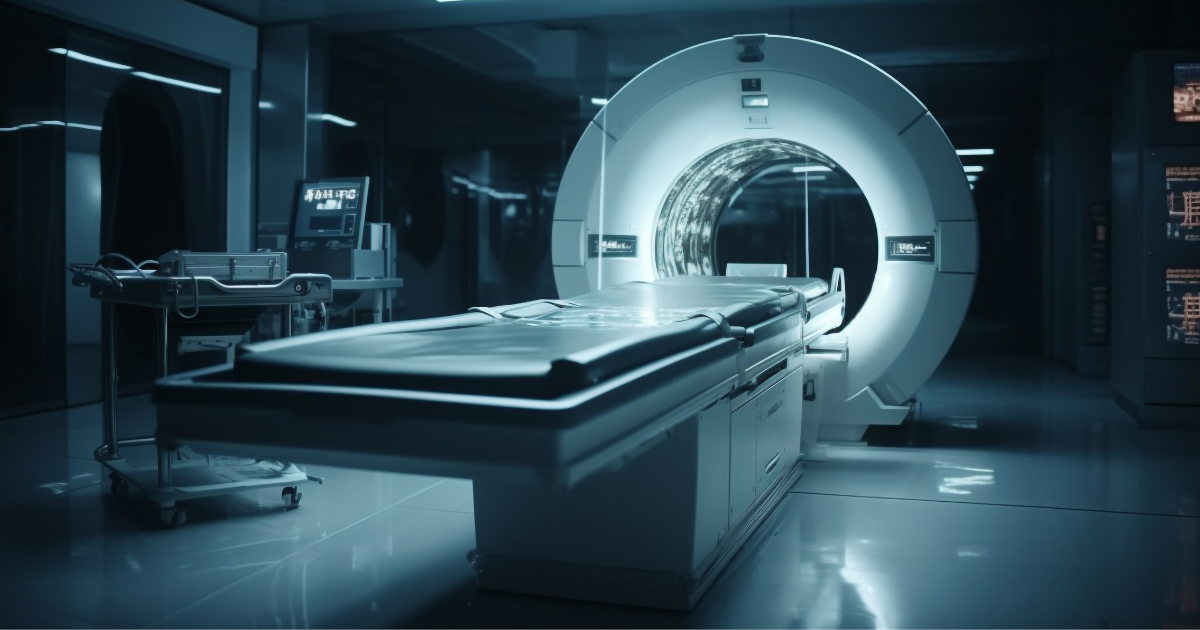
Imagine how GPS navigation works in real life. In the past, getting somewhere often meant wide routes with more opportunities for delay or wrong turns. Today, GPS guides you through the exact path with precision, helping you avoid unnecessary detours.
Modern cancer care is evolving in a similar way.
Traditional radiation therapy was effective, but advanced technologies now allow doctors to deliver radiation with far greater accuracy. Instead of exposing large areas, Precision Radiation Therapy focuses directly on the tumor while protecting nearby healthy tissues as much as possible. This advancement in Modern Oncology is helping patients receive more personalized, efficient, and safer treatment.
As part of ongoing Cancer Treatment Advancements, precision-based radiation techniques are improving treatment outcomes, reducing recovery challenges, and helping patients manage side effects better. From advanced imaging to highly accurate Tumor Targeting, these innovations are changing how many cancers are treated today.
Types of Precision Radiation Therapy
| Type of Therapy | How It Works | Common Uses | Key Benefits |
|---|---|---|---|
| Intensity-Modulated Radiation Therapy (IMRT) | Uses computer-controlled radiation beams that adjust intensity according to the tumor shape | Prostate, head & neck, breast cancers | Reduces damage to surrounding healthy tissues |
| Image-Guided Radiation Therapy (IGRT) | Uses imaging scans during treatment sessions for highly accurate radiation delivery | Tumors that move during breathing, such as lung cancers | Improves precision and treatment accuracy |
| Stereotactic Body Radiation Therapy (SBRT) | Delivers very high doses of focused radiation in fewer sessions | Lung, liver, spine, and prostate tumors | Shorter treatment duration with precise targeting |
| Stereotactic Radiosurgery (SRS) | Highly focused radiation used mainly for brain-related conditions | Brain tumors and neurological disorders | Non-surgical treatment with minimal impact on nearby tissues |
| Proton Therapy | Uses proton beams instead of traditional X-rays | Pediatric cancers and tumors near vital organs | Limits radiation exposure beyond the tumor area |
| 3D Conformal Radiation Therapy (3D-CRT) | Creates a three-dimensional image of the tumor for accurate radiation shaping | Various localized cancers | Better tumor coverage compared to conventional methods |
Symptoms That May Require Evaluation
Radiation therapy itself is a treatment method rather than a disease, but patients with cancer-related symptoms should seek medical evaluation promptly. Symptoms that may require screening and diagnosis include:
- Unexplained weight loss
- Persistent fatigue
- Unusual lumps or swelling
- Changes in bowel or bladder habits
- Difficulty swallowing
- Chronic cough or hoarseness
- Persistent pain
- Abnormal bleeding
Early diagnosis allows doctors to evaluate whether advanced treatment options such as Precision Radiation Therapy may be beneficial.
Risk Factors for Cancer
The following are some of the causes that may lead to cancer:
- Smoking
- Drinking too much alcohol
- Being overweight and having a bad diet
- History of cancer within the family
- Radiation exposure or chemicals
- Viruses, like HPV and hepatitis
- Lack of exercise
- Older age
Understanding these risk factors can help patients make smart choices about cancer prevention and screening.
The Treatment Planning Process
One of the most critical steps in precision radiation care is the Treatment Planning Process. Prior to treatment, radiation oncologists review a patient’s condition, including imaging studies and medical history.
A personalized treatment plan is created based on the:
- Position of the tumor and its size
- Stage of cancer
- Overall health of the patient
- Prior treatments of the patient
- Nearby organs that need protection
Using advanced software and imaging technology, specialists build an accurate map of the radiation dose. This customized approach ensures the safety and accuracy of the treatment.
Common Radiation Side Effects
Modern techniques reduce the chance of side effects from radiation, but some patients may still have side effects during or after treatment. Side effects will depend on the area being treated, the dose of radiation, and the individual’s health.
Common side effects include:
- Fatigue
- Skin irritation or redness
- Hair loss in the treated area
- Difficulty swallowing
- Nausea
- Changes in appetite
Fortunately, many side effects are temporary and manageable with proper medical support.
Managing Fatigue in Radiation Therapy
The most common symptom reported during treatment is tiredness. Managing Fatigue in Radiation therapy involves a combination of rest, nutrition, hydration, and light physical activity.
Patients are often advised to:
- Eat a well balanced diet
- Stay hydrated
- Get enough sleep
- Avoid overexertion
- Engage in gentle exercise such as walking
Family support and ongoing communication with the health care team are also important for improving comfort during treatment.
Radiation Skin Care Tips
Skin changes are common in areas exposed to radiation. Proper Radiation Skin Care can help reduce discomfort and prevent irritation.
Patients should:
- Use mild soaps and lukewarm water
- Avoid using harsh creams unless prescribed
- Protect the treated skin from the sun
- Wear loose fitting soft clothing
- Do not scratch or rub the area
Doctors may recommend specialized creams or ointments if skin reactions occur.
Radiation Therapy Recovery and Follow-Up Care
Radiation Therapy Recovery varies from patient to patient. Some individuals recover quickly, while others may need additional time to regain energy and manage side effects.
Follow-up appointments are essential to:
- Monitor treatment response
- Detect recurrence early
- Manage long-term side effects
- Support overall recovery
Patients are encouraged to maintain regular medical visits, healthy lifestyle habits, and recommended screening schedules after treatment.
Importance of Early Detection and Advanced Care
Early cancer detection significantly improves treatment success rates. Timely diagnosis allows doctors to use advanced options such as Precision Radiation Therapy more effectively, often with fewer complications.
Modern cancer centers use a multidisciplinary approach involving radiation oncologists, medical oncologists, surgeons, imaging specialists, nutritionists, and rehabilitation experts. This coordinated care helps patients receive comprehensive treatment tailored to their individual needs.
Conclusion
Advancements in Modern Oncology have made cancer treatment safer, more accurate, and more patient-focused than ever before. Precision Radiation Therapy offers highly targeted treatment with improved tumor control and reduced damage to healthy tissues. With proper diagnosis, personalized planning, supportive care, and regular follow-up, many patients can manage treatment successfully and maintain a better quality of life.
At Omega Hospitals, patients have access to advanced cancer care supported by experienced oncology specialists, modern radiation technology, and a multidisciplinary treatment approach. From diagnosis and treatment planning to recovery support and follow-up care, comprehensive cancer management helps patients receive personalized care at every stage of their journey.
If you or a loved one has been diagnosed with cancer or is experiencing concerning symptoms, consulting a qualified oncology specialist can help determine the most appropriate treatment and care plan.