
Category: Cancer
-

How Does Alcohol Cause Cancer? Know The Real Facts
Alcohol is a part of many people’s lives. It’s used in celebrations, social events, and sometimes to relax after a long day. But did you know that drinking alcohol can increase your risk of cancer? Many people are not aware that alcohol is linked to several types of cancer. In fact, it’s been classified as…
-
Pregnancy Precautions: A Guide to a Safe and Healthy Journey
Pregnancy is one of the most transformative phases in a woman’s life. As exciting as it is, it also brings about numerous physical, emotional, and lifestyle changes. Taking proper precautions during pregnancy is essential to ensure the well-being of both the mother and the developing baby. Whether you’re a first-time mom or going through the…
-
Understanding Hepatitis C: Causes, Symptoms, Treatment, and Cure
Hepatitis C is a viral disease that impacts the liver and can lead to major health problems if left untreated. Millions of people around the world are living with this silent disease, often without knowing they are infected. This blog will explore in detail what Hepatitis C is, its causes, symptoms, available treatments, and whether…
-
Managing Chronic Hepatitis B: Long-Term Care and Liver Health Tips
Chronic Hepatitis B is a long-lasting infection caused by the hepatitis B virus (HBV). It affects millions globally and remains a significant health concern due to its potential to cause severe liver damage, including cirrhosis and liver cancer. Understanding the disease, its symptoms, treatments, and how to manage it for the long term is essential…
-
Acute Kidney Injury (AKI): Causes, Symptoms, and Recovery
Acute Kidney Injury (AKI), also known as acute renal failure, is a sudden episode of kidney failure or kidney damage that occurs within a few hours or days. It causes a rapid buildup of waste products in the blood and can lead to serious health complications if not diagnosed and managed in time. AKI…
-
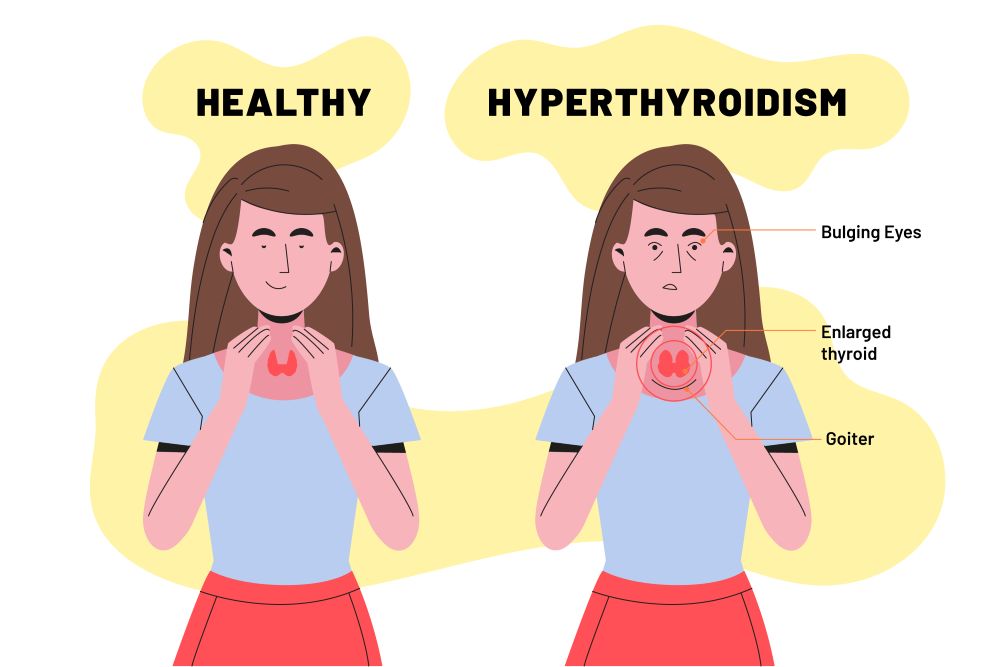
Hyperthyroidism: Symptoms, Causes, and Treatment
The human body depends on the thyroid gland, a small butterfly-shaped organ located at the base of the neck, to regulate metabolism and energy production. When the thyroid becomes overactive and produces too much of the hormone thyroxine (T4) and triiodothyronine (T3), the condition is known as hyperthyroidism. This imbalance can speed up the body’s…
-
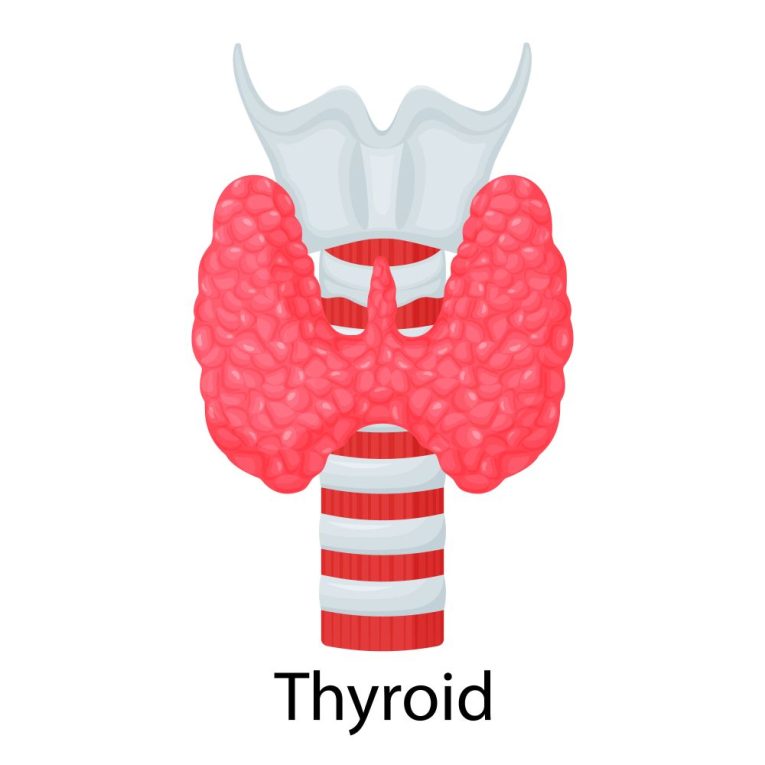
Understanding Hypothyroidism: Symptoms, Causes, and Prevention Tips
Thyroid health is a crucial aspect of overall well-being. When the thyroid gland doesn’t produce enough hormones, it leads to a condition called hypothyroidism. This disorder can affect energy levels, metabolism, mental health, and even fertility. But the good news? With the right knowledge, early detection, and lifestyle adjustments, hypothyroidism prevention is possible. In this…
-
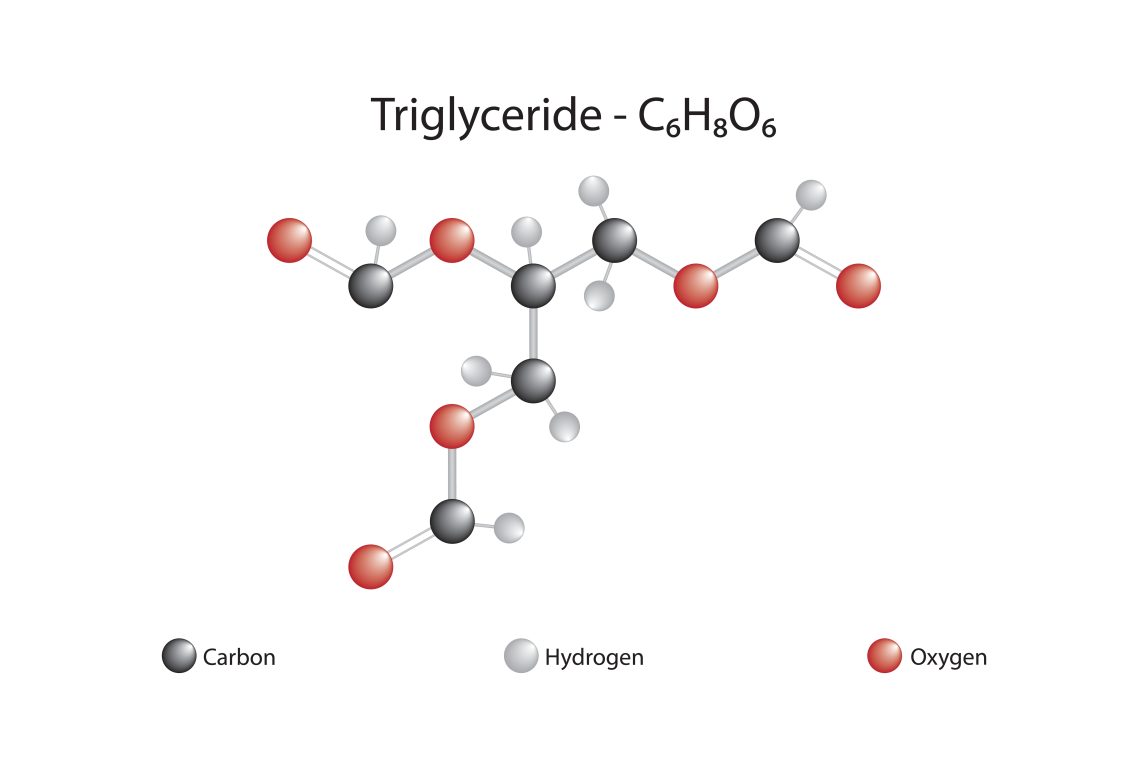
Triglycerides & Heart Health: Best Ways to Keep Them in Check
What Are Triglycerides? Triglycerides are a type of fat (lipid) found in your blood. When you eat, your body converts any calories it doesn’t need into triglycerides, which are stored in fat cells. Later, hormones release them for energy between meals. But here’s the catch — consistently high levels of triglycerides (above 150 mg/dL) can…
-
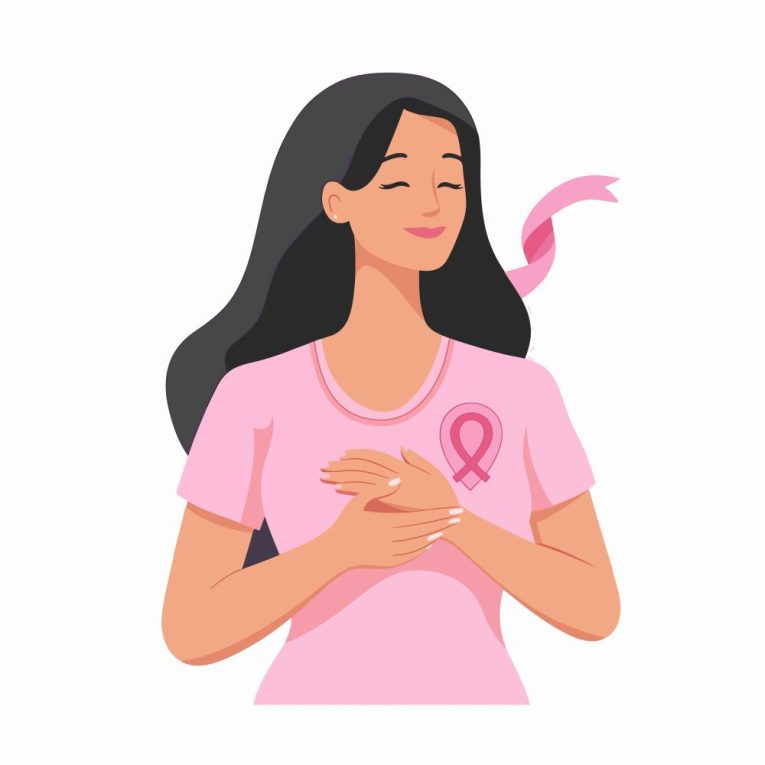
How to Reduce the Risk of Breast Cancer Recurrence: A Comprehensive Guide
Breast cancer survivors often face concerns about the possibility of recurrence. Though there is no single strategy guaranteeing prevention, certain changes to one’s lifestyle can greatly reduce the risk. The following guide outlines strategies that are proven to prevent the recurrence of breast cancer. 1. Maintain a Healthy Weight Obesity is linked to a higher…
-
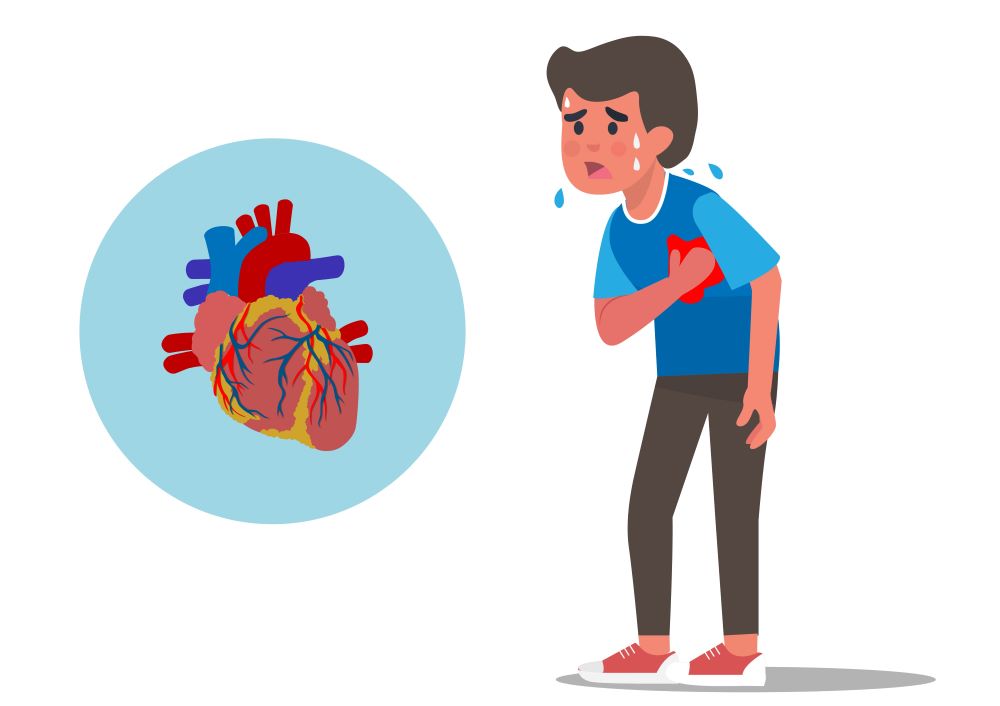
Heart Attack Symptoms: What You Need to Know
Understanding Heart Attacks Heart attacks, also known as myocardial infarctions, are a leading cause of death globally. During a heart attack, blood flow to a part of the heart is blocked, mainly by a blood clot, causing damage or death of heart muscle tissue. Prompt medical attention is vital to restore blood flow and minimize…