
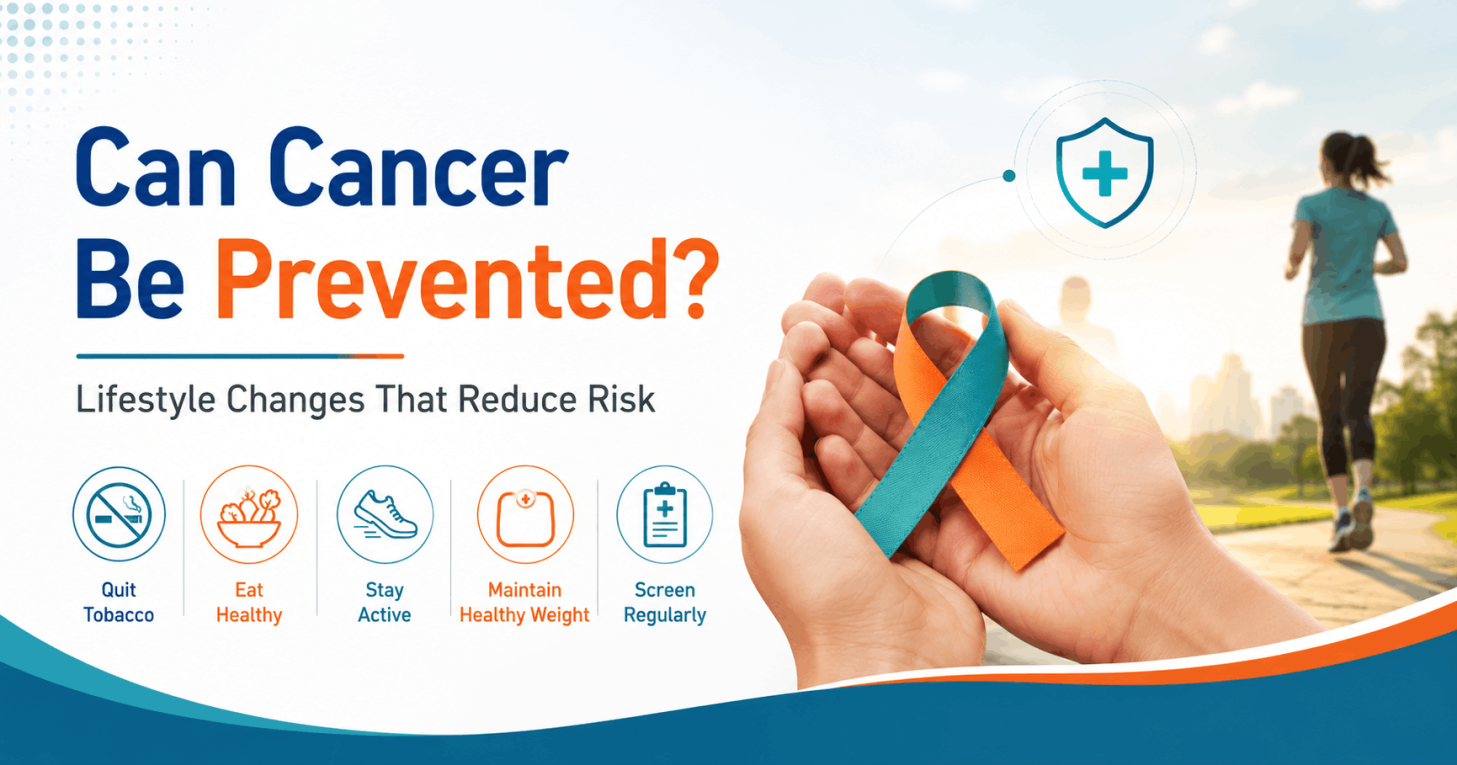
What if small daily choices could lower your cancer risk over time? Cancer cannot always be prevented, but many cases are linked to habits and exposures we can change. That is why cancer prevention matters, and why simple lifestyle changes can make a real difference.
Cancer Prevention Starts with Understanding Risk Factors
Cancer risk factors are things that raise the chance of developing cancer. Understanding them is the first step in cancer prevention. Some are not under your control, such as age, family history, and certain inherited genes. Others are modifiable, which means you can take action on them.
Common modifiable cancer risk factors include:
- Tobacco use.
- Excess body weight.
- Physical inactivity.
- Alcohol use.
- Unhealthy eating patterns.
- Too much sun exposure.
- Certain infections, such as HPV and hepatitis B.
This is the main reason cancer awareness is so important. When people know what increases risk, they can make smarter choices earlier. The World Health Organization estimates that at least a third of common cancers are preventable through the risk-factor changes above.
Cancer prevention tips that work
The strongest cancer prevention tips are also the simplest. Do not smoke. If you use tobacco, quitting is one of the most powerful steps you can take for long-term health. Smoking is a major cause of cancer, especially lung cancer.
Stay active. Aim for regular movement through walking, cycling, dancing, gardening, or structured exercise. The American Cancer Society recommends 150 to 300 minutes of moderate activity each week for adults. Physical activity helps with weight control and may lower the risk of several cancers.
Maintain a healthy weight. Extra body weight is linked with a higher risk of multiple cancers. You do not need a perfect body to protect your health. Even gradual improvements in eating habits and movement can help.
Limit alcohol. Alcohol raises the risk of several cancers, and less is better. If you drink, keep it moderate. If you do not drink, there is no reason to start for health reasons.
Diet and Cancer Prevention: Foods That Help
A healthy diet supports cancer prevention and overall health. No single food can prevent cancer, but eating patterns matter. Focus on more plant foods and fewer highly processed choices.
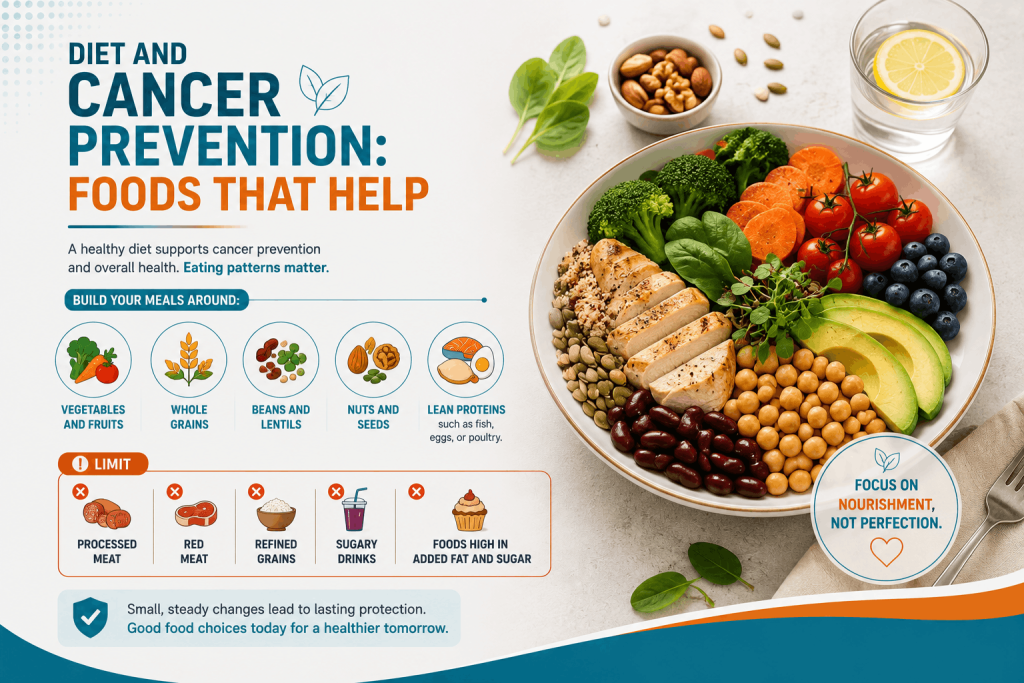
Try to build meals around:
- Vegetables and fruits.
- Whole grains.
- Beans and lentils.
- Nuts and seeds.
- Lean proteins such as fish, eggs, or poultry.
Limit processed meat, red meat, refined grains, sugary drinks, and foods high in added fat and sugar. These foods can make it easier to gain weight and harder to maintain healthy habits. The idea is not restriction for its own sake. The goal is steady, practical change.
Cancer Prevention and Screening Go Together
Cancer screening is not the same as prevention, but it is a key part of cancer control. Screening helps find some cancers early, when treatment is more likely to work well. Regular checkups also help doctors spot risk factors and guide next steps. If you are looking for cancer screening in Hyderabad, Omega Hospitals’ cancer screening packages make it easy to get age-appropriate tests done in a single visit.
Vaccination also matters. HPV vaccine lowers the risk of several cancers, and hepatitis B vaccination helps protect the liver. These steps are especially important for teens and younger adults, but adults should also ask their doctor if they are up to date. Omega Hospitals’ oncology specialists can help you build a screening and prevention plan based on your personal risk factors.
Cancer Prevention Habits After Treatment
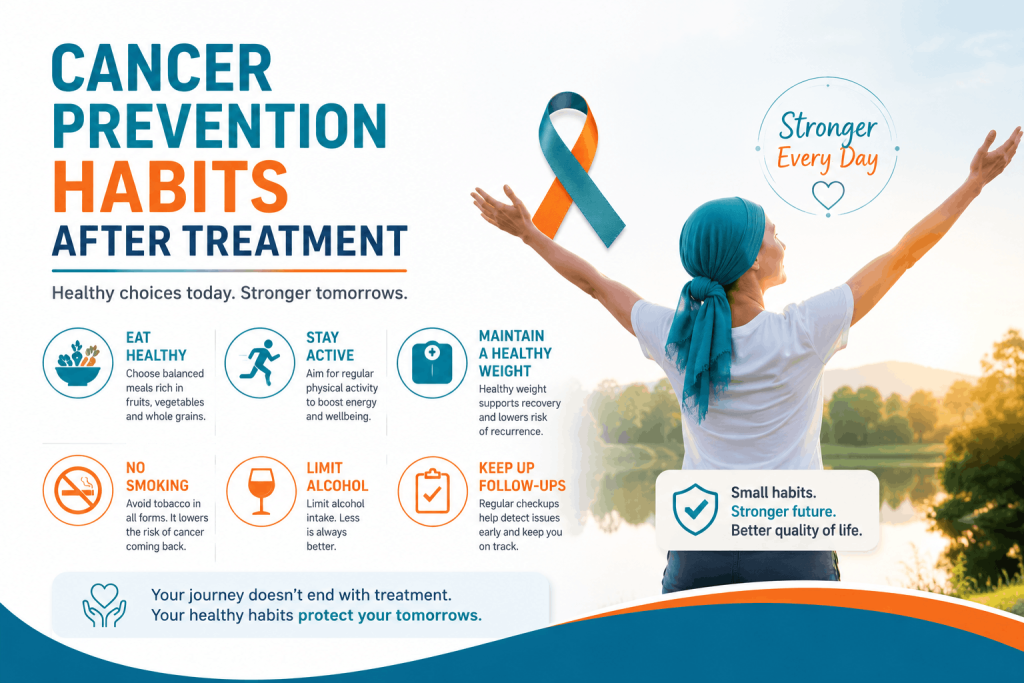
A healthy lifestyle after cancer supports recovery, energy, and long-term wellbeing. The same cancer prevention habits that lower first-time risk also help reduce the risk of recurrence. Survivors often benefit from the same habits recommended for prevention: healthy food, regular activity, no smoking, and limited alcohol. These changes do not replace medical follow-up, but they can support quality of life and overall health.
The most common misconception is that cancer prevention is all or nothing. That is not true. You cannot control every risk factor, but you can control many of them. That is where progress starts.
Related reading: From Omega Hospitals’ Oncology Department: A Message on Cancer Prevention — our oncology team’s on-the-ground perspective on warning signs and screening.
If you want to lower your cancer risk, begin with one change this week. Quit tobacco, add a daily walk, eat one extra serving of vegetables, or book a screening you have been postponing. Small steps build strong habits, and strong habits support cancer prevention over time.