
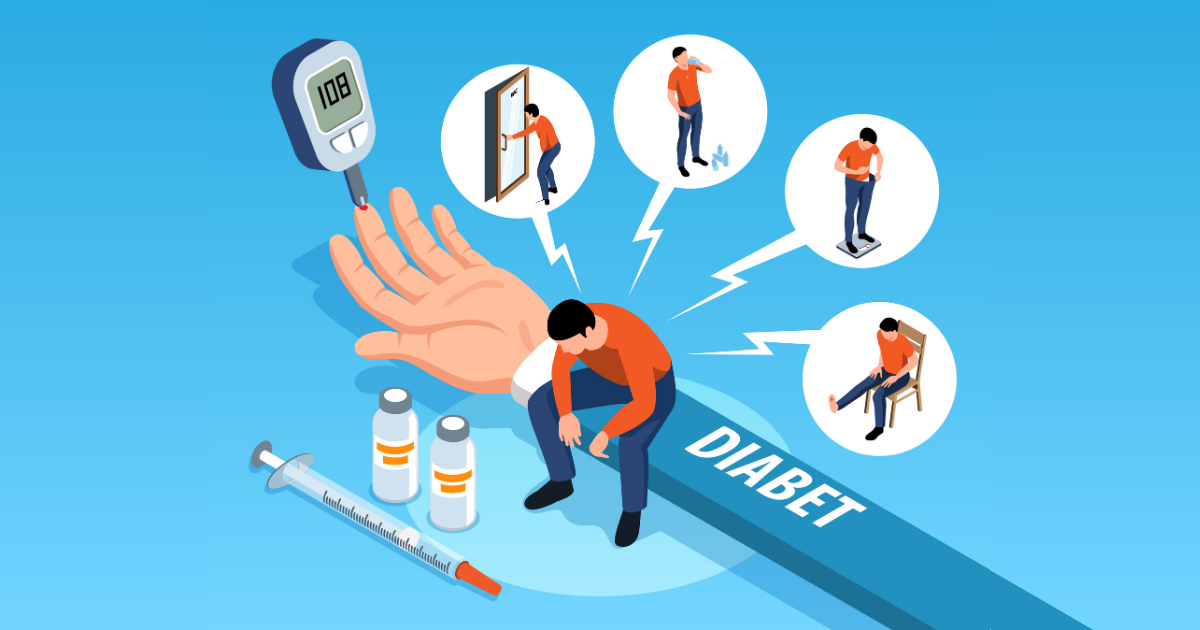
More than 537 million adults worldwide are living with diabetes, a number projected to surge past 783 million by 2045. Yet here’s the alarming truth: nearly half of those affected don’t even know they have it. The disease works silently, methodically damaging blood vessels, nerves, and organs while its early symptoms masquerade as everyday inconveniences we’re quick to dismiss.
What if that persistent thirst isn’t just from the weather? What if your constant fatigue signals something more serious than a hectic schedule? Understanding the early warning signs of diabetes can be the difference between preventing complications and living with them for a lifetime. Let’s explore what your body might be trying to tell you.
Common Warning Signs: What Your Body Is Telling You
Diabetes develops when your body either doesn’t produce enough insulin or can’t use the insulin it makes effectively. This disruption creates symptoms that often appear gradually, making them easy to overlook.
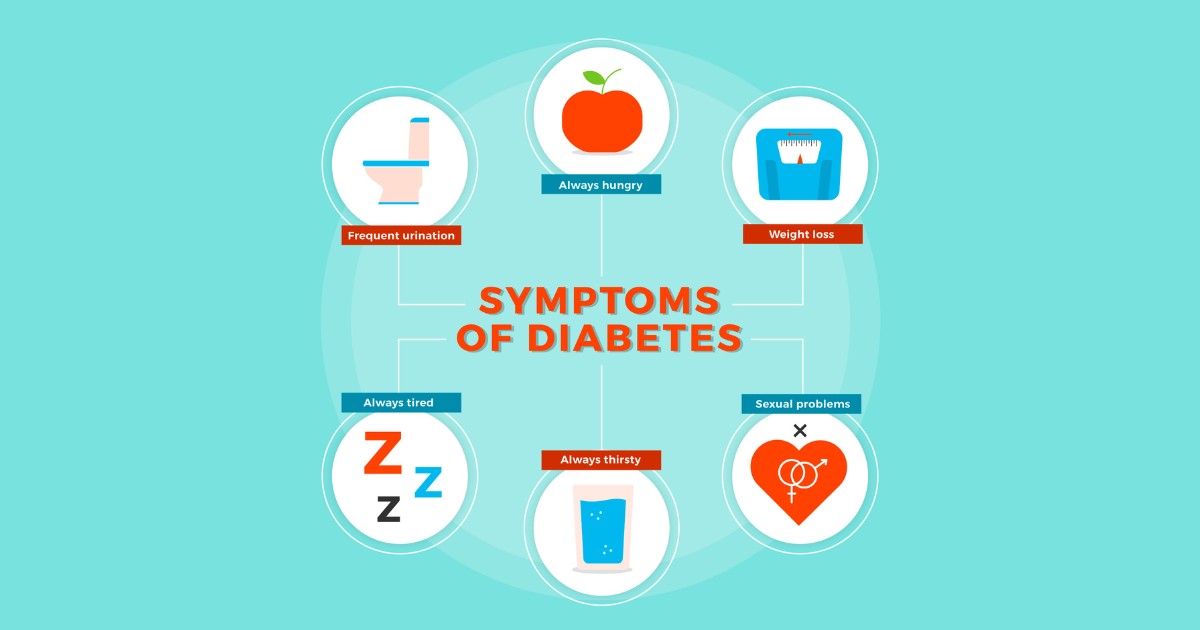
The most common early signs include:
Excessive Thirst and Frequent Urination
When blood sugar levels climb too high, your kidneys work overtime trying to filter the excess glucose. Unable to keep pace, they remove the sugar through urine, pulling fluids from your tissues in the process. This creates a frustrating cycle:
- You feel intensely thirsty throughout the day
- You drink more water than usual
- You urinate more frequently, often every hour
- You wake up multiple times at night for bathroom trips
Unexplained Weight Loss
Weight loss without dietary changes or increased exercise signals a problem. Without sufficient insulin to help cells absorb glucose, your body burns muscle and fat for energy instead.
- Type 1 diabetes often causes dramatic weight loss (10-20 pounds in weeks)
- Type 2 diabetes produces more gradual changes
- You may eat normally or even more, yet still lose weight
Persistent Fatigue
This extends beyond ordinary tiredness. When glucose can’t enter your cells efficiently, they lack energy despite abundant sugar in your bloodstream.
- You feel exhausted even after adequate rest
- Simple tasks feel overwhelming
- Both physical stamina and mental clarity decline
- Afternoon energy crashes become routine
Additional Symptoms That Deserve Attention
Some diabetes symptoms present in less obvious ways, making them particularly easy to dismiss or attribute to other causes.
Blurred Vision
High blood sugar causes fluid to shift in your eye’s lens, changing its shape and ability to focus.
- Objects appear consistently hazy
- Vision fluctuates throughout the day
- Reading becomes more difficult
- Vision typically stabilizes once blood sugar normalizes
Slow-Healing Wounds and Frequent Infections
Elevated blood sugar weakens your immune system and slows the healing process.
- Cuts and bruises linger for weeks instead of days
- You experience recurring yeast infections
- Urinary tract infections become more common
- Skin infections or fungal issues occur frequently
Tingling or Numbness in Hands and Feet
This indicates nerve damage caused by prolonged exposure to high blood sugar. The condition typically develops gradually.
- Starts with a pins-and-needles sensation in the extremities
- May feel like a burning sensation, especially at night
- Can progress to complete numbness
- Makes it difficult to detect injuries or temperature changes
Darkened Skin Patches
Velvety, dark areas appear in body folds and creases, particularly the neck, armpits, groin, and knuckles. This skin change indicates insulin resistance, where your body’s cells don’t respond well to insulin.
- Appears as dark, thickened patches
- Most common in areas where skin folds
- Serves as a visual marker of blood sugar problems
- Not harmful itself, but signals metabolic issues
Type 1 vs. Type 2: Understanding the Differences
Knowing which type of diabetes you might be facing matters because their development patterns differ significantly.
| Feature | Type 1 Diabetes | Type 2 Diabetes |
|---|---|---|
| Onset Speed | Sudden (within weeks) | Gradual (months to years) |
| Age of Diagnosis | Typically children and young adults, but it can occur at any age | Usually over 45, but increasingly seen in younger people |
| Cause | The immune system destroys insulin-producing cells | The body doesn’t use insulin effectively |
| Symptom Intensity | Severe and dramatic | Mild and easily overlooked |
| Percentage of Cases | 5-10% of all diabetes cases | 90-95% of all diabetes cases |
| Weight Changes | Rapid, significant weight loss | May or may not involve weight loss |
Type 1 Diabetes Warning Signs:
- Intense thirst that’s difficult to quench
- Excessive urination, including frequent nighttime bathroom trips
- Extreme hunger despite eating regularly
- Rapid weight loss (10-20 pounds in weeks)
- Severe fatigue and weakness
These symptoms appear rapidly and require immediate medical attention, as untreated Type 1 diabetes can quickly become life-threatening.
Type 2 Diabetes Warning Signs:
- Gradual increase in thirst and urination
- Slow, unexplained weight changes
- Increasing fatigue over time
- Recurring infections
- Slow wound healing
The gradual onset means many people live with undiagnosed Type 2 diabetes for years. During this time, damage accumulates in blood vessels, nerves, kidneys, and eyes.
Taking Control: Your Next Steps
If you recognize multiple symptoms from this list, schedule an appointment with your healthcare provider. A simple blood test can determine your blood sugar levels and diabetes status.

Common Screening Tests:
- Fasting Plasma Glucose: Measures blood sugar after fasting for 8 hours
- Hemoglobin A1C: Shows average blood sugar over the past 3 months
- Oral Glucose Tolerance Test: Measures how your body processes sugar over time
Why Early Detection Matters:
Early detection transforms outcomes. When caught in the prediabetic stage, where blood sugar levels are elevated but not yet in the diabetic range, lifestyle changes can often prevent or delay Type 2 diabetes development.
Even after diagnosis, proper management prevents or minimizes complications. People with well-managed diabetes live full, active lives with minimal disruption to their daily routines.
Risk Factors to Consider:
- Being overweight or obese
- Leading a sedentary lifestyle
- Having a family history of diabetes
- Being over 45 years old
- Having high blood pressure or high cholesterol
- History of gestational diabetes
Take Action Today:
Don’t wait for symptoms to become severe. The General Medicine department at Omega Hospitals Gachibowli provides comprehensive diabetes screening, diagnosis, and management services. Our experienced physicians use evidence-based approaches to help patients understand their condition and develop personalized treatment plans.
Those subtle signs you’ve been dismissing might be important messages deserving attention. Early action today prevents serious complications tomorrow. Take charge of your health, recognize the warning signs, and seek professional guidance. Your future self will benefit from the awareness and action you demonstrate now.