
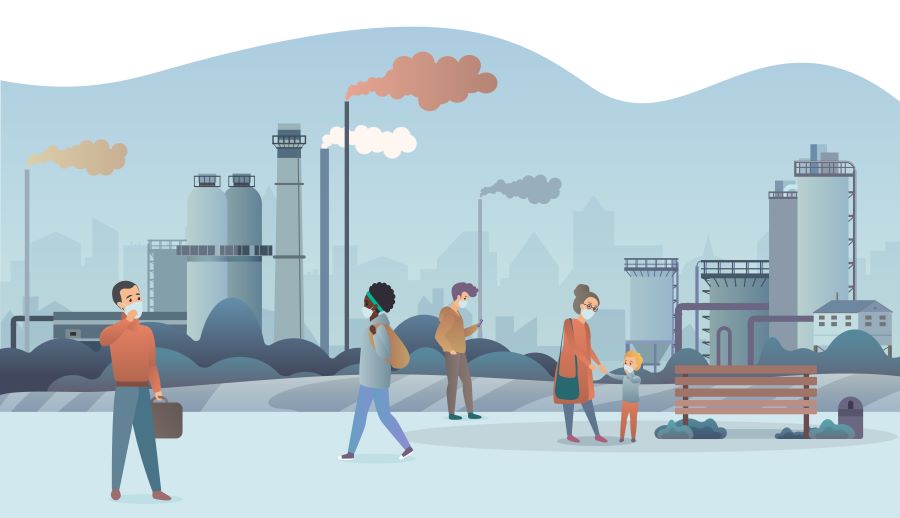
Air pollution and health are closely connected, yet most people do not realise how deeply polluted air affects the body. We often see haze, dust, or smoke around us, but the real damage happens silently inside our lungs, heart, and even brain.
To understand the growing problem, we must look at the effects of air pollution, how it harms our body, and why the Air Quality Index (AQI) has become an important daily indicator for millions of people.
What Is Air Pollution and Why Is It Increasing?
The major air pollution causes and effects are connected to:
- Vehicle smoke
- Industrial pollution
- Construction dust
- Burning waste and crop residue
- Firecrackers
- Household smoke
- Natural dust storms
Among these pollutants, PM2.5 and PM10 are the most harmful.
The difference between PM2.5 and PM10 is simple:
- PM2.5 → extremely tiny particles that enter deep into the lungs and bloodstream
- PM10 → larger dust particles that irritate the nose, throat, and eyes
These pollutants are the main reason behind the rising air pollution symptoms we see today.
Impact of Air Pollution on Humans
The impact of air pollution on humans is far greater than many people assume. Polluted air affects almost every organ in the body.
1. Air Pollution and Respiratory Problems
Lungs are the first organs to be affected.
Common issues include:
- Coughing
- Breathlessness
- Wheezing
- Asthma attacks
- Bronchitis
- Reduced lung function
In the long term, poor air quality effects may include chronic respiratory disease and increased lung cancer risk.
This is one of the major health risks of air pollution, especially for children, elderly people, and asthma patients.
2. Air Pollution and Heart Disease
Air pollution does not stay in the lungs.
PM2.5 enters the bloodstream and puts extra pressure on the heart.
This increases the risk of:
- High blood pressure
- Heart attack
- Stroke
- Irregular heartbeat
Hospitals often report a rise in cardiac emergencies on days with high pollution levels.
3. How Air Pollution Affects Our Body
Polluted air triggers inflammation throughout the body.
It affects:
- Brain function
- Immunity
- Hormone balance
- Metabolism
Research now shows links between air pollution and:
- Anxiety
- Depression
- Cognitive decline
- Poor immunity
- Diabetes
- Thyroid issues
These are long-term health risks of air pollution that develop slowly but seriously.
4. Effects on Pregnancy and Children
Air pollution and health risks during pregnancy include:
- Low birth weight
- Premature birth
- Poor lung development
Children exposed to polluted air often develop early respiratory problems and show slower cognitive growth.
Common air pollution symptoms for skin and eyes are:
- Red, itchy eyes
- Dry skin
- Rashes
- Acne flare-ups
Pollution also speeds up skin ageing.
Air Quality Index Explained — What Is AQI?
Many weather apps and news channels now display AQI.
So, what is AQI, and why is AQI important?
AQI stands for Air Quality Index, a number that tells you how safe or unsafe the air is.
It ranges from 0 to 500.
This is the simplest way to understand what AQI numbers mean for health:
AQI Levels: Meaning and Health Impact
| AQI Range | Category | Health Meaning |
|---|---|---|
| 0–50 | Good | Air is clean and healthy |
| 51–100 | Satisfactory | Minor issues for sensitive people |
| 101–200 | Moderate | Discomfort for children, elderly, asthma patients |
| 201–300 | Poor | Breathing issues for everyone |
| 301–400 | Very Poor | Risk of respiratory problems |
| 401–500 | Severe | Serious irritation; avoid going outdoors |
Knowing these ranges helps you understand the poor air quality effects on your daily life.
How to Protect Yourself From Air Pollution
Even though pollution levels are rising, you can reduce health risks by following these tips to reduce exposure to air pollution:
✔ Wear N95/N99 masks outdoors
Cloth masks do not filter PM2.5.
✔ Use an indoor air purifier
Helps reduce pollution inside the home.
✔ Avoid outdoor exercise when AQI is high
Polluted air enters deeper into lungs during workouts.
✔ Close windows during peak pollution hours
Especially early morning and evening.
✔ Stay hydrated
Water helps the body flush out toxins.
✔ Eat antioxidant-rich foods
Improves lung and heart health.
✔ Keep indoor spaces dust-free
Clean AC filters, curtains, and fans regularly.
Conclusion:
By learning how air pollution affects our body and taking simple precautions, we can reduce the long-term effects of air pollution and improve our health, even when outdoor conditions are not ideal.