
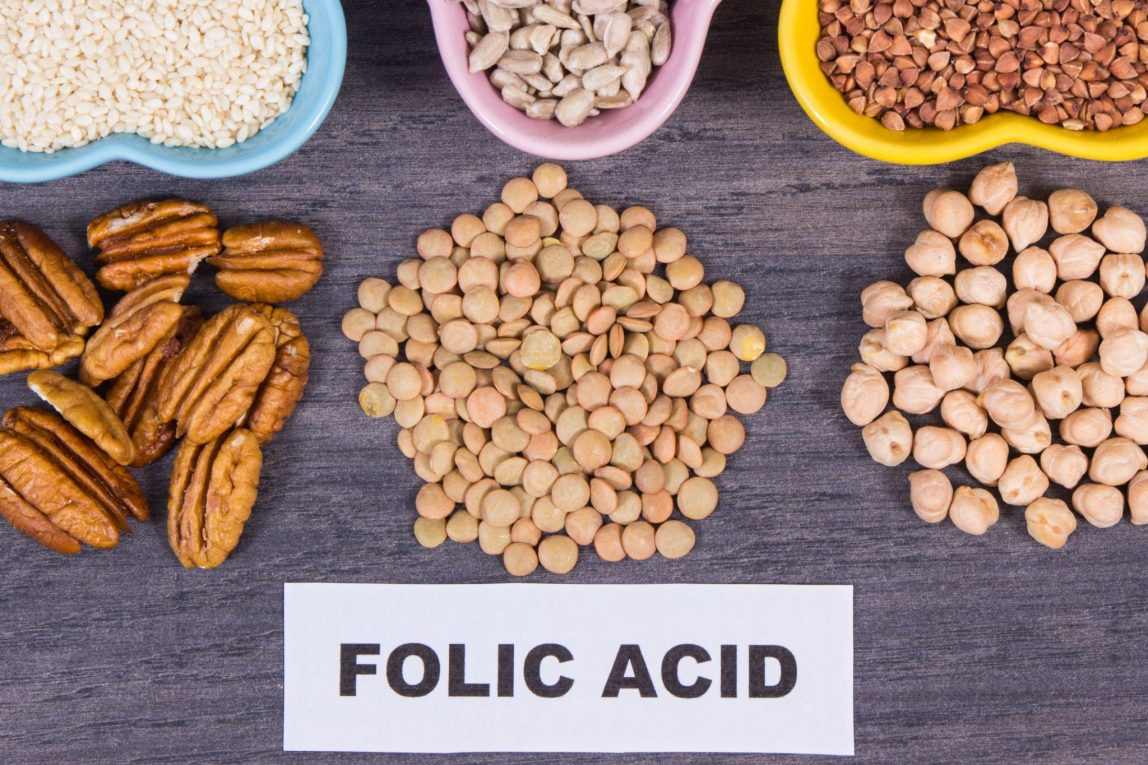
Folic deficiency is a common but often unnoticed nutritional condition that can quietly affect overall health. Folic acid, also known as vitamin B9, is essential for cell growth, red blood cell production, and DNA formation. When the body does not get enough folate, it can lead to fatigue, anemia, and serious health complications, especially during pregnancy.
Understanding folic deficiency helps in early detection, proper treatment, and long-term prevention.
Understanding Folic Acid (Vitamin B9)
Folic acid is the synthetic form of folate, a water-soluble B vitamin naturally present in many foods. Folate plays a key role in producing healthy red blood cells and supporting normal brain and nerve function. It is especially important during periods of rapid growth such as pregnancy, childhood, and adolescence.
Since folate is water soluble, the body does not store it in large amounts. This makes regular dietary intake essential.
What Is Folic Deficiency?
Folic deficiency occurs when the body has insufficient folate to meet its daily requirements. This deficiency often develops slowly and may not cause obvious symptoms initially. Over time, low folate levels can interfere with blood formation and cellular repair.
If left untreated, folic deficiency can progress to anemia and other systemic health problems.
Causes of Folic Deficiency
Folic deficiency can result from several factors, often acting together.
Poor Dietary Intake
A diet lacking fresh vegetables, fruits, and whole foods is one of the most common causes. Diets high in refined and processed foods usually provide inadequate folate.
Absorption Problems
Certain digestive conditions can prevent proper absorption of folate from food. Disorders affecting the intestines may reduce nutrient uptake.
Increased Body Requirements
Pregnancy, breastfeeding, and rapid growth phases increase the body’s need for folate. Without sufficient intake, deficiency can develop quickly.
Excess Alcohol Consumption
Alcohol interferes with folate absorption and metabolism. Long-term alcohol use significantly increases the risk of deficiency.
Medication Effects
Some medications may interfere with folate absorption or utilization, leading to reduced levels over time.
Signs and Symptoms of Folic Deficiency
Symptoms depend on how severe and long-standing the deficiency is. Early signs are often mild and easy to overlook.
Common Physical Symptoms
Persistent tiredness, weakness, pale skin, shortness of breath, dizziness, and frequent headaches are commonly reported.
Digestive and Oral Symptoms
Loss of appetite, weight loss, mouth sores, and a swollen or painful tongue may occur.
Mental and Neurological Symptoms
Difficulty concentrating, irritability, forgetfulness, and low mood can be seen, especially in prolonged deficiency.
Because these symptoms are nonspecific, folic deficiency is often mistaken for stress or general exhaustion.
Folic Deficiency and Anemia
One of the most important complications of folic deficiency is megaloblastic anemia. In this condition, the bone marrow produces abnormally large red blood cells that function poorly. This reduces oxygen delivery to tissues, leading to fatigue and weakness.
The good news is that folic-deficiency anemia is usually reversible when treated early.
Folic Deficiency During Pregnancy
Folate is critical for early fetal development, particularly for the brain and spinal cord. Deficiency during early pregnancy increases the risk of neural tube defects in the baby.
Because these defects develop very early, women of reproductive age are advised to maintain adequate folate levels even before conception. Adequate folate intake supports healthy pregnancy outcomes and reduces preventable birth defects.
Who Is at Higher Risk?
Certain individuals are more vulnerable to folic deficiency and should be especially cautious.
Pregnant and breastfeeding women, people with digestive disorders, individuals with alcohol dependence, older adults, and those with poor dietary habits are at higher risk. Regular screening can help detect deficiency early in these groups.
How Is Folic Deficiency Diagnosed?
Diagnosis is usually made through blood tests that measure folate levels. Doctors may also check hemoglobin levels and red blood cell size to identify anemia.
In some cases, additional tests may be recommended to determine the underlying cause of the deficiency.
Treatment of Folic Deficiency
Treatment depends on the severity of the deficiency and its cause.
Dietary Changes
Increasing intake of folate-rich foods such as leafy green vegetables, legumes, fruits, nuts, and whole grains is essential.
Folic Acid Supplementation
Doctors may prescribe folic acid supplements in moderate to severe cases. These are safe, effective, and usually well tolerated when taken as advised.
Addressing Underlying Causes
If alcohol use, malabsorption, or medication side effects are contributing, managing these issues is crucial for long-term recovery.
Prevention of Folic Deficiency
Folic deficiency can be easily prevented with simple lifestyle measures.
Eating a balanced diet rich in natural foods, following supplementation advice during pregnancy, limiting alcohol intake, and undergoing routine health check-ups all help maintain healthy folate levels.