
Our ears play a vital role in communication, balance, and overall awareness of the world around us. Yet, ear health is one of the most neglected aspects of personal wellness. Many people assume hearing loss or ear problems happen only in old age, but the reality is different. Due to increasing noise pollution, excessive headphone use, frequent infections, and unsafe ear-care practices, ear-related issues are now affecting children, young adults, and working professionals alike.
The good news is that most ear problems are preventable. With simple lifestyle changes and awareness, you can protect your ears and preserve your hearing for life.
1. Why Ear Protection Is Important
Hearing damage often develops slowly and silently. Once inner ear cells are damaged, they cannot be repaired. Ignoring ear health can lead to:
- Permanent hearing loss
- Ringing in the ears (tinnitus)
- Frequent ear infections
- Balance disorders and dizziness
- Reduced quality of life and social isolation
Protecting your ears early helps you avoid these long-term complications.
2. Common Causes of Ear Damage
Loud Noise Exposure
Continuous exposure to loud sounds from traffic, factories, construction sites, concerts, and festivals can damage hearing permanently.
Excessive Headphone Use
Listening to music or videos at high volume for long hours strains the inner ear and accelerates hearing loss.
Improper Ear Cleaning
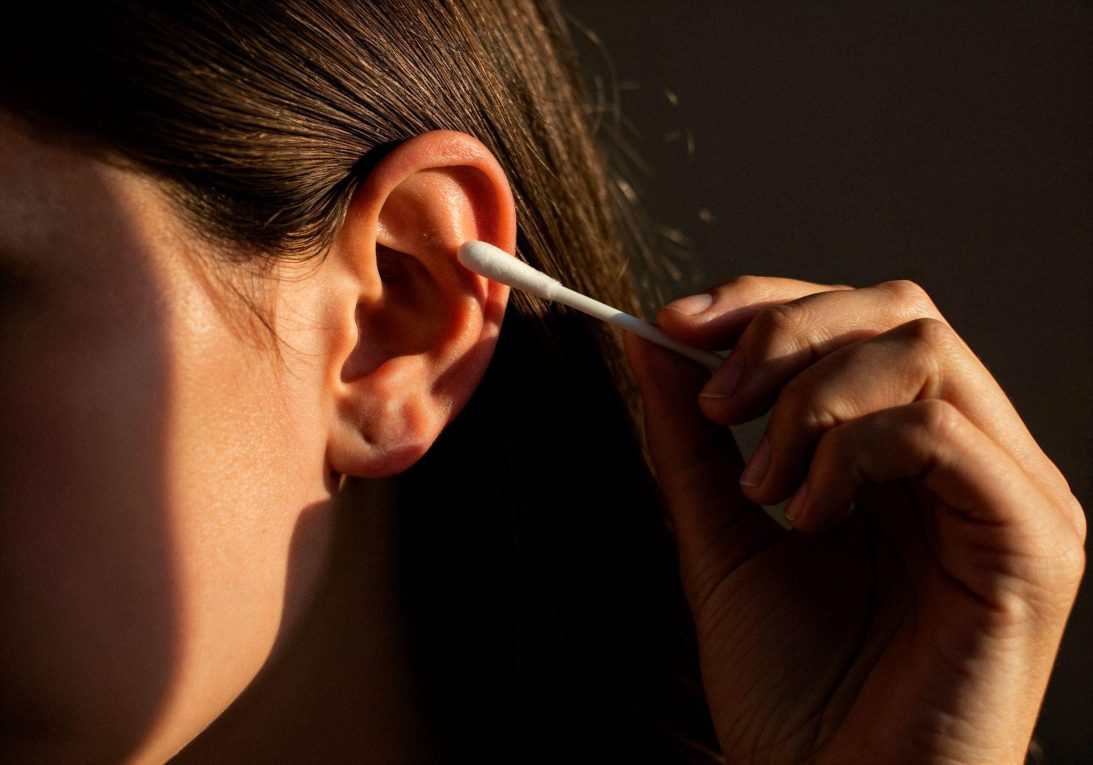
Using cotton buds, pins, or ear candles can push earwax deeper and damage the eardrum.
Repeated Ear Infections
Untreated infections, especially in childhood, can affect hearing development and long-term ear health.
3. Safe Listening Habits for Everyday Life
Follow the 60–60 Rule
- Keep volume below 60%
- Limit headphone use to 60 minutes at a stretch
This rule significantly reduces the risk of noise-induced hearing loss.
Choose the Right Headphones
- Prefer over-the-ear headphones
- Use noise-cancelling headphones to avoid increasing volume
Give Your Ears Time to Rest
After loud sound exposure, allow your ears to recover in a quiet environment.
4. Protecting Your Ears from Noise Pollution
Noise pollution is an invisible but serious health hazard.
- Use earplugs or earmuffs if you work in noisy environments
- Reduce background noise at home
- Stand away from loudspeakers at events and weddings
Consistent protection prevents long-term inner ear damage.
5. The Right Way to Clean Your Ears
What You Should Avoid
- Cotton buds
- Hairpins or sharp objects
- Ear candles
These methods can cause injury and infections.
What You Should Do
- Clean only the outer ear with a soft cloth
- Allow earwax to come out naturally
- Consult an ENT specialist if you feel blockage or hearing loss
Earwax protects the ear canal and should not be removed unnecessarily.
6. Preventing Ear Infections
In Adults
- Treat colds, sinus infections, and allergies early
- Avoid sharing earphones
- Keep ears dry after bathing or swimming
In Children
- Ensure proper vaccination
- Address frequent colds and mouth breathing
- Maintain good hygiene
Early treatment prevents complications and hearing damage.
7. Be Careful with Water Exposure
Water trapped in the ear can cause painful infections.
- Dry ears gently after swimming
- Tilt your head to drain water
- Avoid swimming in polluted water
- Use swimming earplugs if prone to infections
Never insert objects into the ear to remove water.
8. Role of Lifestyle in Ear Health
Manage Stress
Stress can worsen tinnitus and ear pressure.
Get Adequate Sleep
Poor sleep affects blood flow to the inner ear.
Avoid Smoking
Smoking reduces oxygen supply to the ear’s delicate structures.
Healthy lifestyle choices directly support better hearing.
9. Nutrition and Ear Health
A balanced diet supports nerve function and circulation.
- Eat fruits and vegetables rich in antioxidants
- Include whole grains, proteins, and healthy fats
- Stay hydrated
Good nutrition helps protect inner ear cells from damage.
10. Recognize Early Warning Signs
Seek medical attention if you notice:
- Difficulty hearing conversations
- Ringing or buzzing sounds
- Ear pain, discharge, or fullness
- Dizziness or balance problems
Early diagnosis can prevent permanent hearing loss.
11. Regular Hearing Check-Ups Matter
Hearing tests are not only for seniors.
- Adults exposed to noise should test hearing every 1–2 years
- Children with speech delay need hearing evaluation
- Older adults benefit from early detection and hearing support
Routine check-ups help preserve communication and independence.
12. Teaching Children Healthy Ear Habits
Children today are exposed to screens and headphones early.
- Set safe volume limits
- Encourage audio breaks
- Educate children about loud sound risks
Good habits in childhood lead to lifelong ear health.
Conclusion: Protect Your Hearing, Protect Your Life
Your hearing is precious and irreplaceable. Protecting your ears does not require drastic changes—just mindful daily habits. Lowering volume, avoiding unsafe cleaning, preventing infections, and seeking timely medical care can safeguard your hearing for decades.
Start caring for your ears today. Healthy ears mean clearer communication, better balance, and a richer quality of life.