
Most people know that what they eat can affect their heart health, but knowing which foods to eat and why they matter is a whole other story. There are a lot of things in stores that say they are “healthy,” and online nutrition advice often goes against itself. For someone who has high blood pressure, high cholesterol, or a family history of heart disease, this can be very confusing.
A heart healthy diet that is well-planned does not need to cost a lot of money or hard to follow. It takes making smart, consistent choices every day, starting with what you eat. In India, where many people eat a lot of refined carbs, salt, and saturated fat, making specific food swaps can greatly lower the risk of heart disease over time.
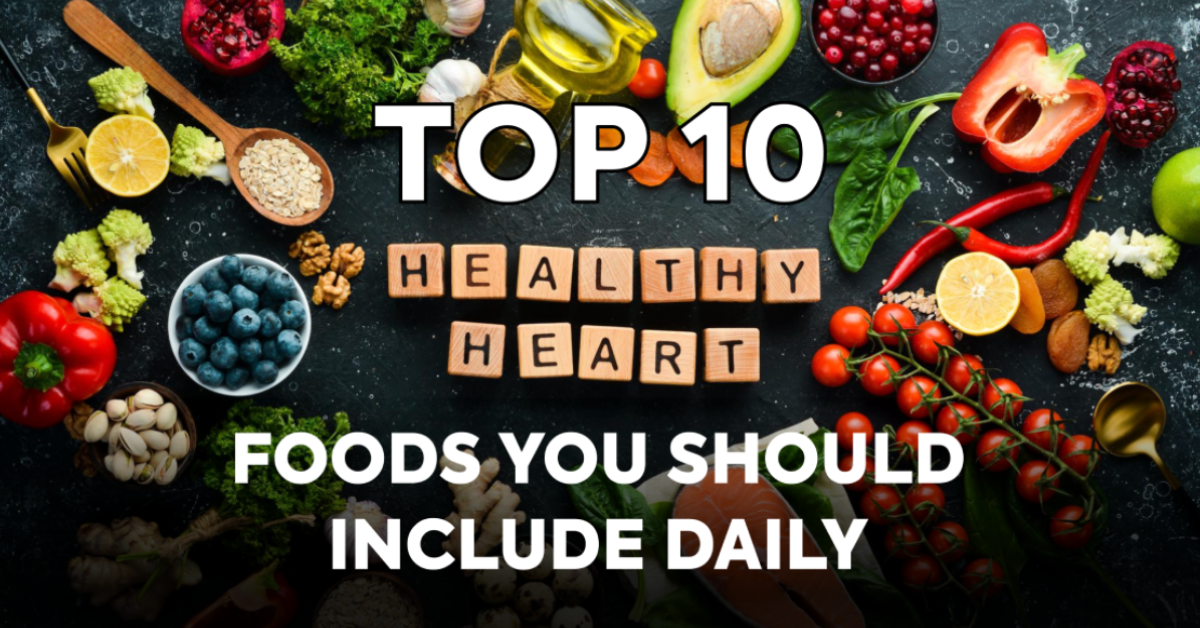
Here are ten foods that cardiologists and nutritionists always say are good for your heart, along with the specific reasons why each one is good.
1. Oats
Beta-glucan, a soluble fiber found in oats, lowers LDL (bad) cholesterol directly by slowing its absorption in the digestive tract. One of the easiest things heart patients can add to their diets is a bowl of plain oats every day, not the flavored, sugary packets. Add some nuts or fresh fruit to it to make a full breakfast.
2. Nuts
Walnuts have the most alpha-linolenic acid (ALA) of any nut. ALA is a plant-based omega-3 fatty acid that helps lower cholesterol and inflammation. You only need a small handful of nuts every day, about 28 grams. In India, where many areas eat less fatty fish, plant-based omega-3 sources become more important. These foods are especially good for a heart-healthy diet.
3. Fish with a lot of fat
Fatty fish are some of the best foods for heart health because they are high in omega-3 fatty acids, especially EPA and DHA. These fatty acids lower triglycerides, lower inflammation, and studies have shown that they lower the risk of arrhythmias. For those who eat meat, including fish two or three times a week is one of the best changes you can make to your diet to protect your heart.
4. Flaxseeds
Flaxseeds are a great source of omega-3 fatty acids and soluble fiber for vegetarians. They also have lignans, which are plant compounds that fight free radicals. Whole flaxseeds are less bioavailable than ground flaxseeds. You can add a teaspoon to dal, yogurt, or roti dough. This makes them one of the best foods for heart health.
5. Vegetables with green leaves
Vitamin K, dietary nitrates, and antioxidants are all found in spinach, methi (fenugreek), and amaranth (cholai). Vitamin K helps arteries stay flexible, and dietary nitrates help lower blood pressure by relaxing blood vessels. These vegetables are cheap, easy to find, and easy to add to your diet, which makes them a key part of any heart patient diet plan in India.
6. Pulses and legumes
Beans, moong, rajma, dal etc., all contain protein, have a good amount of soluble fibre, and a low glycaemic index which means that they will not spike your blood sugar too much. Many studies have linked regular consumption to lower blood pressure and better cholesterol levels. As they are very much a part of Indian cuisine, they are among the easiest heart friendly foods to eat on a regular basis.
7. Berries
Blueberry, strawberry, and pomegranate contain high levels of anthocyanins which are antioxidants that fight oxidative stress and reduce inflammation to your arteries. Pomegranate is especially well studied in respect to supporting healthy blood pressure. Fresh berries or unsweetened frozen berries are both a great addition to the best heart healthy diet for heart patient
8. Olive Oil
Extra-virgin olive oil is full of healthy fats (monounsaturated) and phenolic compounds (which clean out LDLs from circulation) that help prevent LDL oxidation, the first step in developing arterial plaque. Using extra-virgin olive oil instead of butter or vanaspati for sauteing and as a salad dressing is a simple way to start eating a heart-healthy diet. While there is no need to switch all cooking oils to olive oil, including it regularly will have a positive impact.
9. Garlic
Allicin is a compound found in garlic that can help lower blood pressure and LDL cholesterol, as well as has a mild antiplatelet effect. Garlic is already an important ingredient in Indian cooking, be sure to use fresh or slightly cooked garlic rather than highly processed garlic. Garlic is also one of the easiest foods to incorporate into your heart-healthy eating plan without changing the way you currently cook.
10. Green Tea
Green tea is an excellent source of catechins, which are antioxidants that promote healthy endothelial function (the inside lining of blood vessels) and regulate blood pressure and blood clotting. Substituting two cups of green tea each day (without added sugar) for sweetened drinks will have a significant, positive long-term impact on your heart.
A healthy heart diet is a good strategy for heart disease prevention. It is most effective when combined with other kinds of prevention: being active, getting regular blood pressure and cholesterol checks, not smoking, and reducing stress. If you are already diagnosed with high blood pressure, high cholesterol, diabetes or coronary artery disease, you should make dietary changes in consultation with a cardiologist or registered dietitian. You should not be changing your diet solely on general dietary recommendations.
If you have a family history of heart disease, or if you have been intending to have your lipid profile or blood pressure taken, do not put it off any longer.
Your Next Steps for a Healthy Heart
To maintain good heart health, food is one of the most effective means by which you can protect your heart. Food will be the best method for protecting your heart when you also have an overall, medically informed heart health program. The cardiology team at Omega Hospitals helps you to develop individualised care to provide assistance for successful diet, risk factor management, and long-term cardiac health.
To know more about what foods to eat if you are a heart patient based upon your specific health profile and/or to schedule a cardiac risk assessment appointment with a heart specialist, contact us today.