
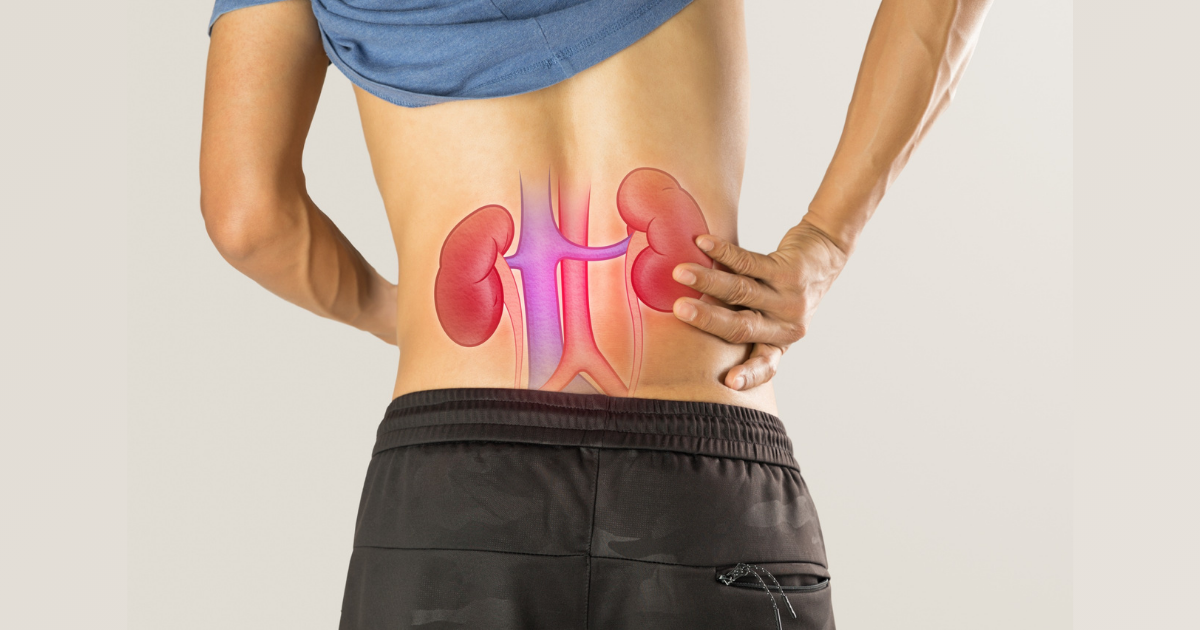
Imagine carrying a ticking clock inside your body, one that counts down silently, without a single alarm, without a single warning sign. That is exactly what chronic kidney disease does to millions of Indians every single day.
Here is the number that should stop you: approximately 10 crore Indians, nearly 10% of all adults in this country, are living with chronic kidney disease right now. Most of them have absolutely no idea.
Not because they are careless. Not because they ignore their health. But because kidney disease is uniquely silent, India’s healthcare system is unprepared to catch it early.
Why Kidney Disease Is Called the Silent Killer
Your kidneys are two fist-sized organs that sit at the back of your abdomen. Every single day, they filter roughly 200 litres of blood, removing waste, balancing fluids, regulating blood pressure, and keeping your bones and blood healthy.
When kidney function begins to decline, the remaining healthy tissue works harder to compensate. This means you can lose up to 60 to 70 percent of kidney function and still feel completely normal.
- No pain
- No visible swelling
- No fatigue that feels different from a busy week
This is why Stages 1 through 3 of chronic kidney disease, which represent the majority of all cases, produce no reliable symptoms at all. By the time symptoms appear, the damage is often severe and very difficult to reverse.
In developed countries, regular screening programs catch kidney disease early. In India, those programs exist mostly on paper. The result is a large, invisible health crisis hiding in plain sight.
Why Indians Are Especially Vulnerable
 India does not just have a kidney disease problem. It has a combination of risk factors that makes kidney disease almost inevitable for a large portion of the population, without deliberate prevention.
The Two Biggest Causes: Diabetes and High Blood Pressure
| Risk Factor | Indian Statistics | Kidney Impact |
|---|---|---|
| Diabetes | Over 10 crore diabetics in India | Damages tiny blood vessels inside the kidney filters over time |
| High Blood Pressure | An estimated 22 crore adults are affected | Physically harms the kidney filtering units with every heartbeat |
| Pre-diabetes | Equal to diabetic numbers, largely undetected | Silently begins kidney stress years before diagnosis |
Roughly 40% of diabetics will develop some degree of kidney involvement during their lifetime. Many do not know until significant damage has occurred.
Other Risk Factors Specific to India
Genetic Predisposition: South Asian populations carry a documented higher risk for kidney disease compared to many other ethnic groups, based on how our bodies process certain metabolic byproducts.
Occupational Risk (CKDu): Agricultural workers in states like Telangana, Andhra Pradesh, and Maharashtra are developing a condition called CKDu, which stands for Chronic Kidney Disease of Unknown Origin. It is linked to:
- Chronic heat stress and dehydration
- Exposure to agricultural chemicals
- Repeated physical strain without adequate rest and hydration
Young, otherwise healthy laborers are developing kidney failure with none of the traditional risk factors. This remains poorly understood and dangerously underreported.
The Infrastructure and Awareness Gap:
- In Tier 2 and Tier 3 cities, access to basic kidney function testing is limited
- Many patients visit a doctor only when symptoms are already advanced
- Fatigue, reduced appetite, and mild swelling are commonly dismissed as aging or overwork
Who Needs to Get Screened Right Now
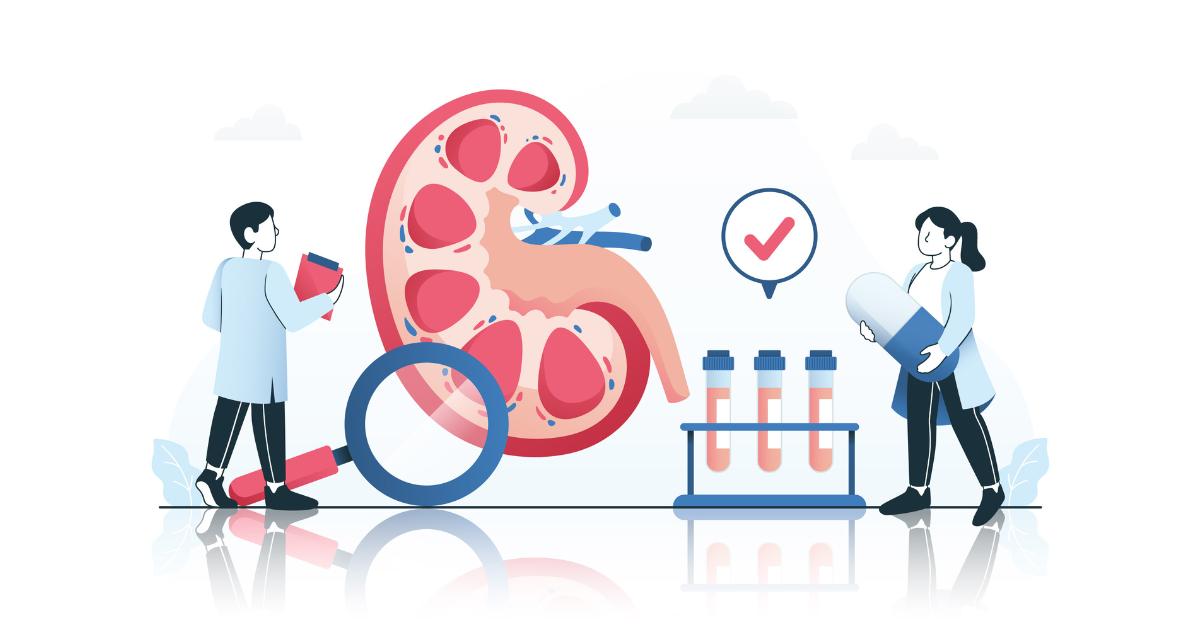 The most important point in this article is this: kidney disease is detectable years before it becomes dangerous, using simple, affordable tests.
The tragedy is not that screening is difficult. The tragedy is that most people who need it never get it.
You Should Discuss Kidney Screening With Your Doctor If:
- You have diabetes, whether Type 1 or Type 2
- You have high blood pressure, even if it currently feels controlled
- A parent, sibling, or child has or had kidney disease
- You are above 60 years of age
- You take painkillers like ibuprofen or diclofenac regularly
- You have had a kidney stone or recurring urinary infections
- You work in conditions involving extreme heat, heavy physical labor, or chemical exposure
The Three Tests That Can Catch Kidney Disease Early
1. Serum Creatinine Test (Blood Test) Creatinine is a waste product naturally produced by muscles. Healthy kidneys filter it out efficiently. When creatinine builds up in the blood, it indicates the kidneys are not functioning at full capacity.
2. eGFR, Estimated Glomerular Filtration Rate (Calculated from Blood Test) This is the most reliable overall measure of kidney function, calculated using the creatinine result.
| eGFR Reading | What It Means |
|---|---|
| Above 90 | Normal kidney function |
| 60 to 89 | Mildly reduced, monitor closely |
| 30 to 59 | Moderate reduction, medical care needed |
| 15 to 29 | Severely reduced, specialist care urgent |
| Below 15 | Kidney failure |
3. Urine Albumin-Creatinine Ratio or uACR (Urine Test) This test detects tiny amounts of protein leaking into the urine, which is often the earliest sign of kidney damage. It can appear years before creatinine rises or eGFR falls.
- Cost: Under Rs 200 at most diagnostic labs
- Especially important for diabetics and those with high blood pressure
- Should be done annually if you have either condition
Practical Self-Assessment: Check Your Own Risk
 Answer honestly. In the past few months, have you noticed any of the following?
- Persistent puffiness around your eyes in the morning
- Swelling in your ankles or feet that does not go away with rest
- Urine that looks foamy or frothy
- A need to urinate more frequently at night than before
- Fatigue that does not improve with rest
- A loss of appetite without a clear reason
None of these alone confirms kidney disease. But any one of them, especially alongside a risk factor like diabetes or high blood pressure, is a clear reason to get tested as soon as possible.
When to See a General Physician vs. a Nephrologist
| Situation | Who to Consult |
|---|---|
| First-time screening with risk factors | General physician or family doctor |
| Mildly abnormal test results | General physician with possible referral |
| Confirmed CKD or significantly abnormal results | Nephrologist, a kidney specialist |
| Rapidly worsening kidney function | Nephrologist urgently |
| Managing CKD alongside diabetes or BP | Nephrologist, in coordination with your regular doctor |
A nephrologist is trained specifically to interpret the finer details of kidney function, manage complications, and create treatment plans that slow or stop disease progression. Early involvement makes a meaningful difference in long-term outcomes.
Early detection does not just delay dialysis. In many cases, it prevents it entirely.
Ten crore Indians are at risk. Most do not know it. A simple blood test and urine test could change that picture completely.
If you have diabetes, high blood pressure, or a family history of kidney problems, speak with your doctor about getting screened. Share this article with someone who needs to read it.