
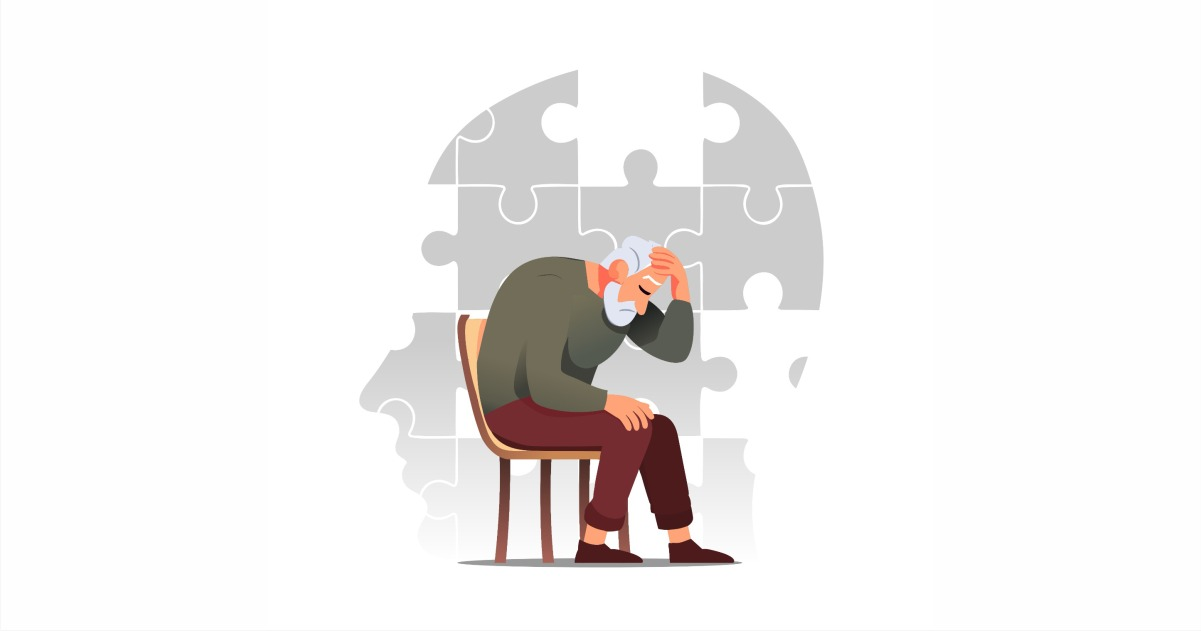
Alzheimer’s disease is one of the most common and misunderstood neurological disorders affecting millions of people worldwide. Often mistaken as a normal part of ageing, Alzheimer’s is actually a progressive brain disease that slowly destroys memory, thinking ability, and daily functioning. With ageing populations increasing globally, understanding Alzheimer’s disease has become more important than ever.
What Is Alzheimer’s Disease?
Alzheimer’s disease is a chronic neurodegenerative disorder that primarily affects memory and cognitive functions. It is the most common cause of dementia, accounting for nearly 60–70% of dementia cases.
In Alzheimer’s disease, brain cells gradually degenerate and die. This leads to shrinkage of the brain and a steady decline in mental abilities such as memory, reasoning, language, and judgement.
Difference Between Alzheimer’s and Dementia
Many people use the terms Alzheimer’s and dementia interchangeably, but they are not the same.
- Dementia is a general term for loss of memory and thinking abilities severe enough to interfere with daily life.
- Alzheimer’s disease is a specific disease and the most common cause of dementia.
In short, all Alzheimer’s patients have dementia, but not all dementia patients have Alzheimer’s disease.
Early Signs and Symptoms of Alzheimer’s Disease
Early symptoms of Alzheimer’s are often subtle and develop slowly. Many families ignore them, assuming they are normal age-related changes.
Common Early Symptoms
- Frequent memory loss, especially recent events
- Difficulty finding the right words while speaking
- Repeating the same questions or stories
- Misplacing objects and forgetting where they were kept
- Trouble concentrating or planning tasks
- Changes in mood, anxiety, or mild depression
Early detection at this stage can significantly help in slowing disease progression and planning care.
Progressive Symptoms as the Disease Advances
As Alzheimer’s disease progresses, symptoms become more severe and affect daily independence.
Moderate Stage Symptoms
- Confusion about time, place, and familiar people
- Difficulty managing finances or daily activities
- Behavioural changes such as irritability or agitation
- Sleep disturbances
- Poor judgement and decision-making
Advanced Stage Symptoms
- Inability to recognise close family members
- Loss of speech or minimal communication
- Difficulty walking, sitting, or swallowing
- Complete dependence on caregivers
- Increased risk of infections like pneumonia
What Causes Alzheimer’s Disease?
There is no single cause of Alzheimer’s disease. It develops due to a combination of genetic, environmental, and lifestyle factors.
Changes in the Brain
Two abnormal structures play a major role:
- Amyloid plaques: Protein fragments that accumulate between brain cells
- Tau tangles: Twisted fibres that form inside brain cells
These changes disrupt communication between neurons, leading to brain cell death.
Risk Factors for Alzheimer’s Disease
Certain factors increase the likelihood of developing Alzheimer’s.
Age
Age is the biggest risk factor. Most cases occur after the age of 65, but early-onset Alzheimer’s can occur between 40 and 60 years.
Family History and Genetics
People with a close family member affected by Alzheimer’s have a higher risk. Certain genes can increase susceptibility.
Lifestyle and Health Conditions
How Is Alzheimer’s Disease Diagnosed?
There is no single test to diagnose Alzheimer’s disease. Doctors use a combination of methods to arrive at a diagnosis.
Diagnostic Methods
- Detailed medical and neurological examination
- Memory and cognitive function tests
- Brain imaging such as MRI or CT scans
- Blood tests to rule out other causes
- In selected cases, PET scans or cerebrospinal fluid analysis
Early diagnosis allows better symptom management and care planning.
Treatment Options for Alzheimer’s Disease
Currently, there is no permanent cure for Alzheimer’s disease. However, treatments can help manage symptoms and slow progression.
Medications
Doctors may prescribe medications to improve memory and thinking or reduce behavioural symptoms. These drugs work best in early and moderate stages.
Non-Drug Therapies
- Cognitive stimulation therapy
- Memory exercises
- Physical activity programs
- Occupational therapy
- Speech and language therapy
A personalised treatment plan provides better quality of life for patients.
Role of Caregivers and Family Support
Caregivers play a crucial role in Alzheimer’s care. As the disease progresses, patients require increasing levels of support.
Caregiving Tips
- Maintain a structured daily routine
- Use reminders and visual cues
- Ensure home safety
- Communicate calmly and patiently
- Seek emotional and respite support
Caregiver burnout is common, and seeking professional guidance is strongly recommended.
Can Alzheimer’s Disease Be Prevented?
While Alzheimer’s cannot always be prevented, certain lifestyle choices may reduce the risk.
Brain-Healthy Habits
- Regular physical exercise
- Balanced diet rich in fruits, vegetables, and whole grains
- Good sleep hygiene
- Managing blood sugar and blood pressure
- Staying socially active
- Mental stimulation through reading, puzzles, or learning new skills
Prevention focuses on protecting brain health throughout life, not just in old age.
Living With Alzheimer’s: Quality of Life Matters
An Alzheimer’s diagnosis does not mean life ends. With early diagnosis, proper treatment, emotional support, and lifestyle changes, many patients continue to live meaningful lives for years.
Creating a supportive environment and maintaining dignity and independence for as long as possible should be the primary goal of care.
When to Consult a Doctor
Medical consultation is essential if memory loss or behavioural changes interfere with daily activities. Early medical evaluation helps rule out reversible causes and ensures timely intervention.
Conclusion
Alzheimer’s disease is a serious but manageable condition when identified early. Awareness, timely diagnosis, and comprehensive care can significantly improve outcomes for both patients and caregivers. As research advances, hope continues to grow for better treatments and preventive strategies.
Protecting brain health today is the best investment for a healthier tomorrow.