
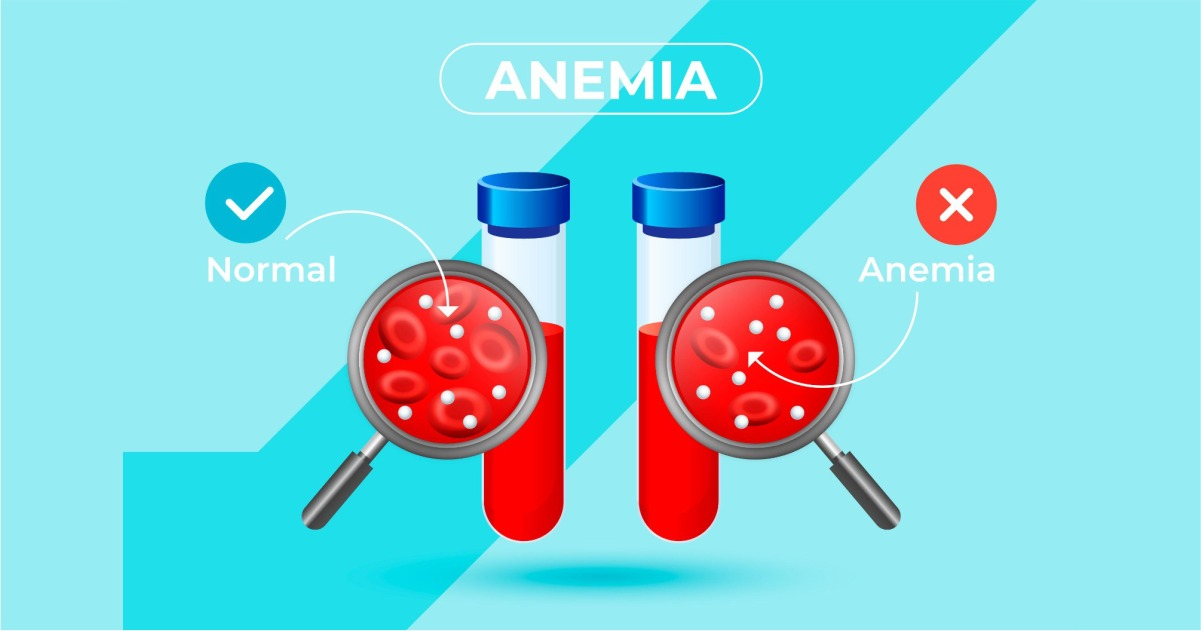
Anaemia is often spoken about casually in India, almost as if it is a “normal” part of a woman’s life. Many women hear lines like “your haemoglobin is a little low” and are sent home with iron tablets—without much explanation. But anemia is not a minor issue. It is a widespread public health problem that silently affects millions of Indian women across all age groups, from teenage girls to elderly women.
India carries one of the highest burdens of anaemia in the world, and women are disproportionately affected. To understand why, we need to look beyond just iron deficiency and explore the social, biological, cultural, and nutritional factors that come together to make anaemia so common among Indian women.
Understanding Anaemia in Simple Terms
Anaemia occurs when the body does not have enough healthy red blood cells or haemoglobin to carry oxygen efficiently. When oxygen delivery drops, every organ in the body is affected. This is why anaemia causes fatigue, breathlessness, dizziness, hair fall, palpitations, poor concentration, and reduced immunity.
In women, anaemia often develops slowly and silently. Because the symptoms are gradual, many women adapt to feeling tired and weak, assuming it is just part of daily life.
1. Menstruation: A Monthly Iron Loss
One of the most important reasons anaemia is common in women is menstruation. Every month, women lose blood—and with it, iron. For women with heavy or prolonged periods, the iron loss is significant.
In many cases:
- Heavy bleeding is normalized
- Painful or irregular cycles are ignored
- Underlying conditions like fibroids or hormonal imbalances go undiagnosed
Without adequate dietary iron to compensate for this monthly loss, iron stores gradually decline, leading to iron-deficiency anaemia.
2. Pregnancy and Repeated Childbirth
Pregnancy places enormous demands on a woman’s body. Iron is needed not just for the mother, but also for the growing fetus and placenta. Blood volume increases during pregnancy, further increasing iron requirements.
In India, many women:
- Enter pregnancy already anaemic
- Have closely spaced pregnancies
- Do not get adequate antenatal nutrition
- Stop supplements early due to side effects or poor follow-up
Repeated pregnancies without enough recovery time severely deplete iron and vitamin reserves, making anaemia almost inevitable.
3. Dietary Patterns Low in Absorbable Iron
Indian diets are often rich in carbohydrates but low in high-quality protein and bioavailable iron. While many traditional foods contain iron, much of it is non-heme iron, which is poorly absorbed.
Common dietary issues include:
- Low intake of green leafy vegetables
- Inadequate consumption of pulses, nuts, seeds, and fruits
- Over-reliance on polished rice and refined grains
- Skipping meals due to work or household responsibilities
Even when iron is present in the diet, its absorption is affected by other factors.
4. Poor Iron Absorption Due to Tea, Coffee & Gut Health
Iron absorption does not depend only on how much iron you eat—it depends on how well your body absorbs it.
In India:
- Tea and coffee are often consumed immediately after meals
- Phytates in cereals and legumes block iron absorption
- Calcium supplements taken with meals interfere with iron uptake
- Gut infections, worms, and chronic inflammation reduce absorption
Vitamin C, which improves iron absorption, is often lacking in daily diets, especially in lower socio-economic settings.
5. Social and Cultural Factors
Anaemia in Indian women is deeply connected to social norms. In many households:
- Women eat last
- Portion sizes for women are smaller
- Nutrient-dense foods are prioritized for children and men
- Women ignore their own health due to family responsibilities
Young girls may already be anaemic before marriage. By the time they reach adulthood, years of nutritional neglect have already taken a toll.
6. Teenage Anaemia: The Silent Beginning
Adolescence is a critical period for iron requirements due to rapid growth and the onset of menstruation. Unfortunately, teenage girls are one of the most affected groups.
Reasons include:
- Poor dietary diversity
- Body image concerns leading to meal skipping
- Lack of awareness about nutrition
- Increased academic and emotional stress
Anaemia that starts in adolescence often continues into adulthood, pregnancy, and later life if not corrected early.
7. Chronic Infections and Inflammation
Not all anaemia is due to iron deficiency. Chronic infections, inflammatory conditions, and parasitic infestations are common in many parts of India.
Conditions such as:
- Recurrent infections
- Tuberculosis
- Chronic urinary or gastrointestinal infections
- Autoimmune conditions
can lead to anaemia of chronic disease, where iron is present in the body but not available for use.
8. Vitamin Deficiencies Beyond Iron
Iron is only one piece of the puzzle. Many Indian women also have deficiencies of:
- Vitamin B12
- Folate
- Vitamin A
Vitamin B12 deficiency is particularly common among vegetarian women and causes a different type of anaemia that does not improve with iron alone. This is why some women do not feel better despite taking iron supplements.
9. Lack of Regular Screening and Follow-Up
Another major issue is under-diagnosis. Many women are tested only during pregnancy or illness. Routine health check-ups are rare.
Even when anaemia is detected:
- Treatment may not be tailored to the cause
- Follow-up testing is often missed
- Compliance with supplements is poor due to side effects
Without proper evaluation and monitoring, anaemia becomes a recurring problem.
10. Normalizing Fatigue and Weakness
Perhaps the most overlooked factor is normalization. Tiredness, breathlessness, and weakness are often dismissed as:
- “Stress”
- “Household work”
- “Age”
- “After delivery weakness”
This normalization delays diagnosis and treatment, allowing anaemia to worsen over time.
Why Anaemia Matters More Than We Think
Anaemia is not just about low haemoglobin. It affects:
- Work productivity
- Mental focus
- Immune function
- Pregnancy outcomes
- Heart health in severe cases
In the long term, untreated anaemia increases the risk of complications, hospitalizations, and reduced quality of life.
The Way Forward
Reducing anaemia in Indian women requires more than iron tablets. It needs:
- Early screening from adolescence
- Education about nutrition and absorption
- Treating underlying causes
- Respecting women’s health needs
- Breaking the myth that weakness is “normal”
Anaemia is common, but it should never be accepted as normal.