.png)
Services


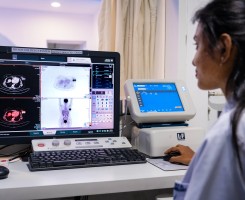

Radiology
Radiology utilizes imaging technology for accurate disease diagnosis, guiding effective treatment plans for comprehensive patient care.


Nuclear Medicine
Nuclear Medicine uses radioactive materials for imaging, offering insights into organ function, aiding precise diagnostics and treatments.


Biochemistry
Biochemistry studies living organisms' chemical processes, aiding diagnostics, disease understanding, and personalized treatments for holistic patient care.

.png)
Microbiology
Microbiology studies microscopic organisms, crucial in diagnosing infections and guiding treatments for comprehensive patient care.

.png)
Pathology
Pathology diagnoses diseases through analyzing tissues, guiding treatment decisions for personalized and effective patient care.


Insurance/TPAs
Insurance safeguards health costs; TPAs streamline claims, ensuring efficient access to quality healthcare at our hospital.
About Us


Why Choose OMEGA Hospitals
Omega Hospitals is a premier cancer care center in India, renowned for its comprehensive and compassionate approach to cancer treatment. Founded by Dr. Ch. Mohana Vamsy, Chief Surgical Oncologist, Omega Hospitals was established with a clear mission: to provide world-class cancer care locally, eliminating the need for patients to travel long distances. Our cancer facility in Vizag brings this vision to life, making quality cancer care plans and services accessible to communities across the region.
As a trusted cancer care hospital, Omega offers a multidisciplinary approach through our specialized departments, including medical oncology, surgical oncology, and radiation oncology. Whether you are looking for a cancer care clinic & hospital or seeking advanced treatments at a leading cancer hospital in Vizag, Omega Hospitals is your destination for excellence.

13,15,000+
Consulted

5,75,000+
Admissions

1000+
Beds

66,500+
Surgeries
3,78,000+
Chemotherapy
54,000+
RT
52,63,000+
Total Lives Touched
4 Attendants
Per Patient
9
Hospitals